

























































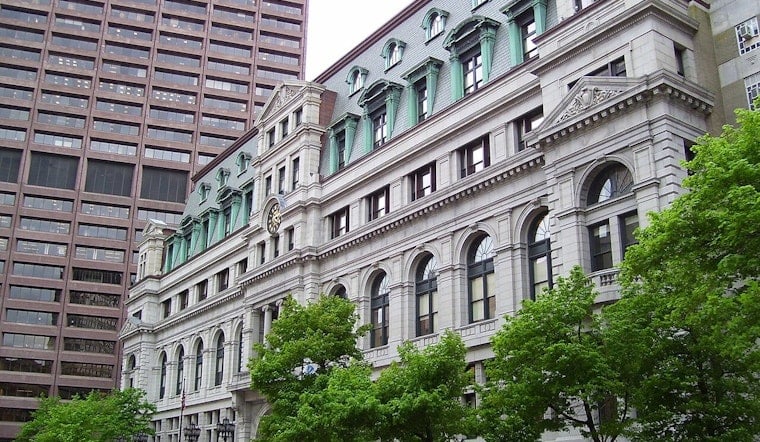
The Massachusetts Supreme Judicial Court has yanked a closely watched rent control question off the November ballot, ruling that the proposed statewide cap on rent hikes ran afoul of the state constitution. The justices said a religious-housing exemption in the measure pushed it into a category that cannot be decided by voter initiative. Supporters had pitched the proposal as a way to rein in runaway rents by tying most annual increases to inflation or 5 percent, whichever was lower, and by repealing the statewide ban on rent control that has been in place since 1994.
Why the court tossed it
Writing for the court, Justice Frank Gaziano zeroed in on the petition’s carveout for units “operated in religious facilities,” concluding that the measure “relates to religion” and therefore cannot go before voters, according to The Boston Globe. The decision, a roughly 27-page ruling, continues a pattern of the SJC closely policing which topics are fair game for ballot initiatives in Massachusetts.
What the proposal would have done
The now-blocked question would have tied allowable rent increases to the Consumer Price Index, with a hard annual ceiling of 5 percent and exemptions for smaller owner-occupied buildings and newly built units, according to Boston.com. Backers cast it as a guardrail against sharp rent spikes that are forcing tenants out of their homes, while critics warned it would spook developers and, over time, shrink local tax bases.
How the fight reached the high court
The case landed at the SJC after property-owner plaintiffs and a real-estate coalition challenged the petition, arguing it crossed constitutional red lines on initiative subjects and raised takings and drafting problems. Multiple groups jumped in with amicus briefs, and the justices heard arguments in early May. The public record details how the challengers framed those issues and how the court homed in on the religious exemption during questioning. For a procedural rundown and industry perspective, see coverage from MassLandlords.
Political fallout and next steps
Even before the ruling, rent control advocates had been shopping a last-minute compromise on Beacon Hill: a bill to scrap the statewide ban and let cities and towns adopt local “stabilization” rules of their own, generally limiting rent hikes to inflation plus 5 percent with a 10 percent cap, according to WBUR. Real estate groups and developers had signaled they were at least willing to talk about a negotiated deal if it would avoid a ballot brawl. Now that the court has closed off the direct-to-voters route, any rent control or stabilization policy fight shifts squarely to the Legislature. A summary of industry concerns about the ballot measure and the court challenge is available from NAIOP Massachusetts.
Reaction
Opponents of the ballot question wasted no time cheering the decision. “While we firmly believe that Massachusetts voters were prepared to vote ‘no’ in November, today’s decision puts the issue to rest and protects our housing pipeline,” Housing for Massachusetts chair Conor Yunits said in a statement reported by The Boston Globe. Supporters, organizing under the banner Homes For All Massachusetts, countered that the ruling does not change their push for stronger tenant protections. They had already warned that if lawmakers did not act on a compromise, they would redouble their efforts on Beacon Hill.
Legal implications
The case is a pointed reminder of the tight guardrails on ballot campaigns in Massachusetts. Initiative petitions that touch on excluded subjects such as religion risk being tossed entirely, regardless of how many signatures they gather. That structural limit, combined with the takings and drafting arguments raised by opponents, leaves rent control advocates with a slim set of paths forward: revise any future petition to steer clear of off-limits topics, pivot fully to the legislative process, or shelve the effort. For the legal record and fuller argument outlines, see the filings posted by the SJC.


