

























































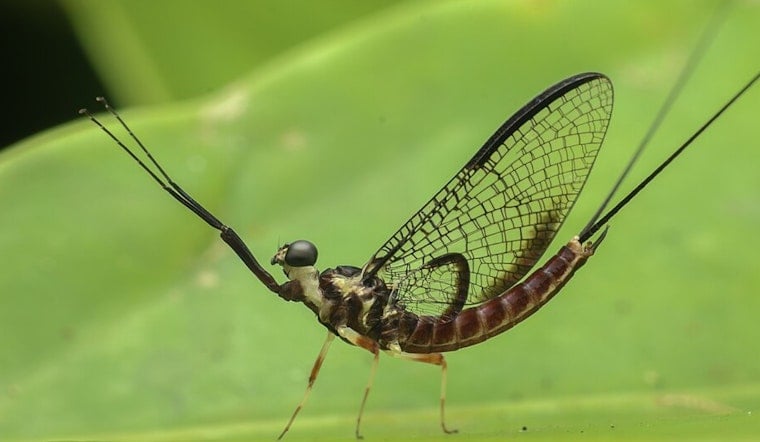
Port Clinton has gone partially dark this week, switching off key downtown streetlights as a huge mayfly hatch from western Lake Erie splatters cars, sidewalks and storefront windows along the shoreline. The lights-out move is a short-term safety play meant to keep the insects from piling up under lamps and turning roads and docks into slick, slippery messes for drivers and boaters.
The decision to cut power to select poles followed reports from residents and shop owners of thick, cloud-like swarms along the waterline, according to Cleveland.com. City workers and the utility have been going pole by pole to take fixtures out of service near the lake, and officials say the lights will come back on once the hatch dies down. In the meantime, waterfront businesses are spending a lot of time with brooms and hoses, clearing layers of dead bugs off decks, doorways and outdoor seating.
Utility Says Lights Out Beats Spinouts
Ohio Edison, a FirstEnergy company that owns many of the lakeshore streetlights, is temporarily suspending service along several roads to discourage mayflies and keep motorists safer, according to FirstEnergy. A company spokesperson explained that mayflies create a hazard because their carcasses contain an oily substance that makes whatever they coat very slick, and said crews will flip the lights back on when the short hatching season wraps up. The utility is also asking customers to report any streetlights that go dark unintentionally through its online lighting problem page.
What A Mayfly Hatch Actually Is
Mayflies start out as nymphs buried in lake-bottom mud, then emerge in massive groups when deeper water warms to around 68°F. The winged adults usually last only a day or two and do not bite or eat. Michigan Sea Grant notes that the timing of these emergences is tightly tied to temperature, which is why the swarms can appear almost overnight and then vanish just as fast. When they do pop, the big hatches are a notable ecological event, delivering a quick, intense burst of food for fish and birds.
How The Hatch Hits Fishing And Boating
Thick mayfly hatches can slow nearshore sport fishing as charter captains and anglers move offshore to escape the bug clouds, Cleveland.com reports, with some boats running a dozen miles or more north to find clearer water. Out deeper, though, the bite has stayed hot: last week’s Lake Erie Walleye Trail pro-am in Lorain turned in a winning five-fish limit of 39.90 pounds, showing offshore walleye action remains strong, according to the Lake Erie Walleye Trail. Boaters are being urged to stay ready to clear windshields, electronics screens and cooling-water intakes when operating near dense swarms of insects.
What City Hall Is Doing And What Residents Should Know
City council records show Port Clinton contacted Ohio Edison to schedule certain streetlights to be turned off, and that technicians have to physically shut down each fixture, which is why the blackout is targeted and temporary, according to the City of Port Clinton. FirstEnergy and city crews say the lights will be restored once the hatch runs its course, and drivers are being urged to slow down on dark stretches and watch carefully for pedestrians. Out on the water, boaters are advised to keep an eye on engine cooling systems, since heavy buildups of husks and dead insects can clog filters or intake screens and contribute to overheating.
Why This Is Gross, Not Dangerous
For all the mess, the mayfly invasion is not considered a health threat, since the adults do not bite, and scientists say that seeing big hatches from time to time is actually a good sign for Lake Erie’s recovery, Michigan Sea Grant notes. The lights that are out now are expected to flick back on in the next several days, once the short-lived swarm finishes its rapid-fire reproductive sprint.





