

























































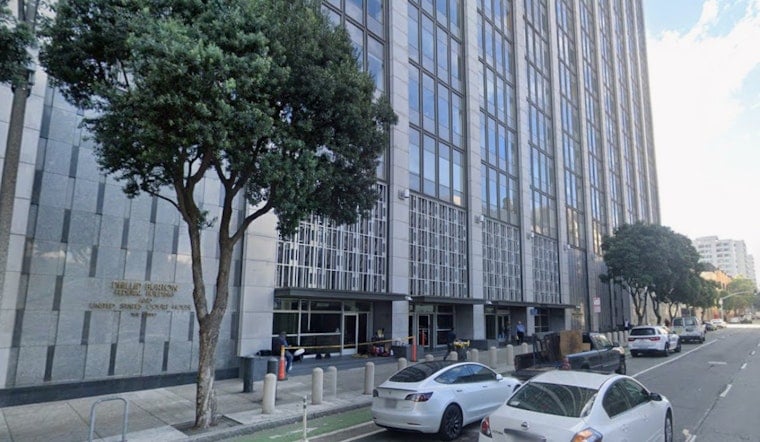
Sarah Wynn‑Williams, a former director of global public policy at Facebook, has hauled Meta Platforms Inc. into federal court in Northern California, accusing her old employer of trying to shut down her memoir, Careless People. In a lawsuit filed Thursday, she asks a judge to overturn a private arbitration order and declare a severance non‑disparagement clause unenforceable, arguing Meta has leaned on emergency arbitration and aggressive legal tactics to keep her from promoting the book.
The 57‑page complaint, filed June 25 in the U.S. District Court for the Northern District of California, argues that the arbitration order barring Wynn‑Williams from talking about the company is invalid and that the severance agreement she accepted in 2017 was signed under duress, according to The Associated Press. The suit says Meta is seeking $50,000 in damages for each alleged violation of the non‑disparagement clause, a number her lawyers say is big enough to scare off almost any public comment.
The complaint also accuses Meta of what it calls “coercive surveillance,” alleging that company representatives followed and photographed Wynn‑Williams at public events and even objected to her simply showing up at the Hay literary festival in Wales, where she stayed silent on her lawyers’ advice, The Guardian reported. The filing is backed by a lengthy declaration that walks through a series of arbitration moves and company communications.
Wynn‑Williams’s memoir, published in March 2025, lays out accusations about Meta’s leadership, including claims that the company explored ways to curry favor in China and offers sharply critical portraits of senior executives. She had discussed some of that material in public appearances before the arbitration fight heated up, according to The Washington Post. The Post also reported that an emergency arbitrator imposed a temporary restriction on her promotional activity after the book came out.
Meta has pushed back, saying it believes an arbitrator already found Wynn‑Williams breached her separation terms and arguing that she is now using her court filings as a marketing vehicle for the book, according to The Associated Press. Her new complaint asks the federal judge to lift the arbitration gag and rule that the severance non‑disparagement clause cannot be enforced.
Legal Stakes and Arbitration Questions
The case lands squarely in a growing debate over how far private arbitration can go in limiting speech that touches on public interest and potential whistleblower claims, a tension legal analysts have been warning about in recent years, according to Bloomberg Law. Wynn‑Williams is asking the court to scrutinize and potentially toss out an arbitration order she says was obtained behind closed doors and then used to restrict broader public discussion.
Her lawyers argue that the 2017 severance deal was signed while she was facing financial insecurity after being fired and that the non‑disparagement terms are therefore unconscionable and unenforceable, an argument laid out in the complaint and supporting declaration, The Guardian reports. Publisher and legal advocates say Meta’s tactics risk sending a message to would‑be whistleblowers and critics that speaking out could come with a hefty legal price tag.
Why Bay Area Readers Should Care
The suit drops into the Northern District of California at a time when Meta is already facing a crowd of local legal challenges, from county‑level complaints about scam ads to wider multi‑state probes that regularly touch down in the Bay Area. It is all part of a legal ecosystem that keeps the company’s Menlo Park headquarters well within the blast radius of accountability fights, according to KQED. A ruling that trims the reach of arbitration orders or non‑disparagement clauses could reshape how tech giants across the region handle messy breakups with employees.
On the procedural front, Wynn‑Williams is asking the court to lift the arbitration prohibition and declare the severance clause void. Lawyers for both sides are expected to trade written arguments in the coming weeks. Publishers, civil‑liberties groups and corporate employees who see broad arbitration and gag provisions as a shield against public scrutiny will be watching the docket closely.





