

























































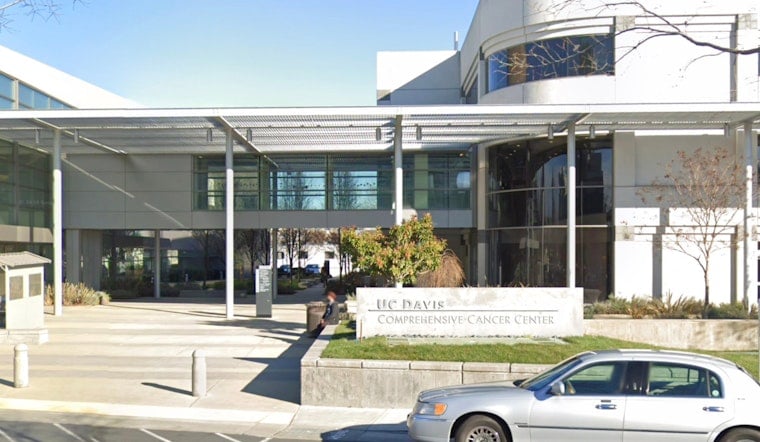
Hmong farmworkers on small plots around Merced are at the heart of a new UC Davis Comprehensive Cancer Center project that is asking a blunt question: are the pesticides they use tied to bladder health problems, including cancer?
The year-long, community-based study launched in Merced is starting small. Early outreach with the First Church of God in Merced brought in eight survey responses, and one respondent reported a red-flag symptom: visible blood in their urine. Researchers say this pilot phase will use workshops and questionnaires to map which pesticides are being used, document exposure histories, and decide whether to build out a larger, culturally responsive study.
According to UC Davis Health, biochemist Paramita Ghosh and urologist Avery Braun are leading the effort, which is funded by the cancer center’s Office of Community Outreach and Engagement. “This study is about listening as much as it is about learning,” Ghosh said, stressing that Hmong agricultural workers will be treated as active partners rather than just research subjects. The team has set out three main goals: identify which pesticides are being used and in what quantities, assess possible effects on bladder health, and explore whether repeated exposure might contribute to bladder cancer.
Why Researchers Are Watching Pesticides
Occupational and epidemiological research has long linked certain farm chemicals with urinary tract disease. A 2017 meta-analysis of observational studies reported an elevated bladder cancer risk associated with pesticide exposure, particularly in North American research. Follow-up analyses from the Agricultural Health Study have also connected specific compounds with higher bladder cancer incidence. Those earlier findings provide the backdrop for the UC Davis pilot and help determine which exposures the investigators will prioritize.
Local Farming Practices And Exposure Risks
Work with small-scale Hmong growers highlights how pesticide exposure can happen both in the fields and back at home. A survey published in the Journal of Integrated Pest Management found that many Hmong farmers in the San Joaquin Valley used pesticides and wanted safety information in Hmong. The study also noted that habits such as wearing work clothes home could raise the risk of exposing family members. That evidence helps explain why the Merced team is leaning on a community-centered model that pairs education with careful measurement.
What The Team Will Do Next
Per UC Davis Health, the researchers plan a series of community workshops, followed by more detailed surveys that capture lifetime pesticide-use histories and bladder health concerns. The pilot will also test how well different recruitment and retention approaches work so the team can design a larger study if the early data support it. The cancer center, the only NCI-designated center serving the Central Valley, says it hopes the work will eventually feed into culturally responsive interventions and education. The outreach model is designed to move from initial listening sessions toward measurable prevention efforts and stronger links to care in Merced.
Signs To Watch And Public Health Angle
Visible blood in the urine can be a warning sign of bladder disease, including cancer, and should prompt medical follow-up, the National Cancer Institute notes. The research team and local partners say one goal of the project is to make it easier for farmers and their families to recognize symptoms like that and connect with medical care, while documenting pesticide exposures that might be contributing to health disparities in the region. In the longer term, the pilot could help guide surveillance and prevention strategies across California’s agricultural communities.





