

























































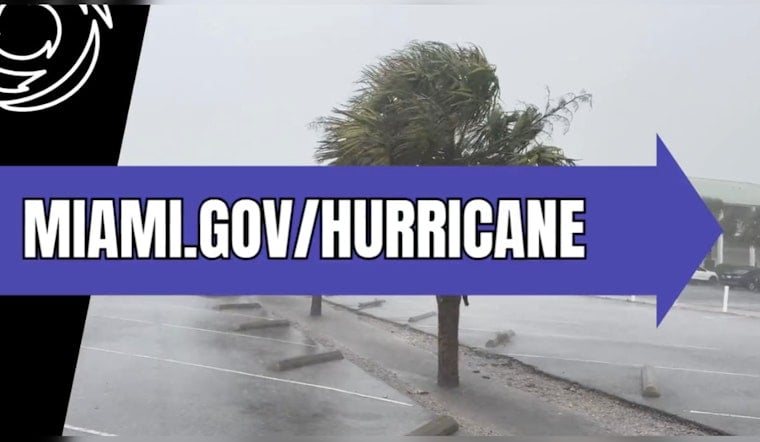
With hurricane season officially underway, the City of Miami is wasting no time telling residents to get their act together before the first swirl shows up on the radar. On Friday, officials pushed out a Spanish-language advisory and shared a downloadable 12MB Hurricane Handbook that walks people through what to do before, during and after a storm. The guide leans heavily on storm-surge planning, evacuation options and practical checklists for pets, boats and trees, and it directs residents to emergency hotlines and the Miami-Dade SAFE app for real-time information on shelters and open facilities. All of it arrives as the Atlantic hurricane season runs from June 1 through November 30.
La preparación comienza antes de que se forme una tormenta. Infórmese, planifique y tome medidas para proteger a su familia y su hogar durante esta temporada de huracanes. 🌴 https://t.co/jUgBXpv0YO
— City of Miami (@CityOfMiami) June 26, 2026
What the handbook covers
The Hurricane Handbook is structured into clear "Before," "During" and "After" sections and links out to evacuation assistance, flood information, tree and boat preparation and shelter guidance, according to City of Miami. The city's Spanish-language post on X hits those same themes and includes a direct link to download the full handbook. The roughly 12MB PDF is presented as a one-stop reference for households and small businesses that want to map out their hurricane game plan before things get hectic.
Storm surge zones and evacuation
The guide highlights storm surge as the biggest threat to life and property during a hurricane and urges residents to look up their Storm Surge Planning Zone on the county website. Miami-Dade divides the area into five planning zones, A through E, based on SLOSH modeling, and those zones are what officials use to decide evacuation orders depending on projected surge levels, per Miami-Dade County. The material reminds residents that surge planning is separate from a storm's category and notes that people living in mobile homes and those who rely on electrically powered medical equipment are expected to evacuate when orders are given.
Numbers, apps and shelters
For shelter locations and evacuation routes, the handbook lists Shelter Information and Evacuation Routes at 305-960-4NET or 311 and includes utility and federal hotlines such as Florida Power & Light's outage line and FEMA's helpline, according to City of Miami. It also points to the Miami-Dade SAFE application, which residents can use to find open evacuation centers, emergency bus pick-up points and points of distribution during a storm. City officials urge people to save those numbers and download or bookmark the SAFE map long before any system is taking aim at South Florida.
When to act
Hurricane season runs from June 1 through November 30, and NOAA's National Hurricane Center advises residents to track forecasts, watches and warnings closely because storms can form fast or abruptly change course. Even in years when the overall outlook is relatively mild, a single storm can bring dangerous surge and flooding, so early preparation still counts. NOAA provides daily outlooks and local advisories that residents can follow to decide when to evacuate and when to take other key preparedness steps.
Where to find help
The handbook pulls together local and federal resources and links directly to Miami-Dade's SAFE page and the county's "Find Open Facilities" ArcGIS map so residents can locate open hospitals, stores operating on generators and distribution sites in real time. It also lists partners including FEMA and the American Red Cross for recovery and sheltering support, while 311 remains the quickest way to get through to city services during an emergency. Officials recommend keeping both digital and printed copies of the handbook, along with saved emergency contacts, so that if an evacuation order lands, there is no scrambling to figure out what to do next.





