

























































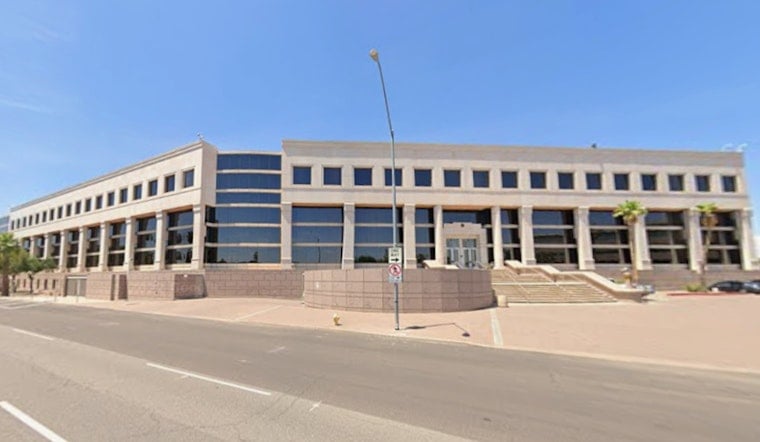
Sixty years after the U.S. Supreme Court decided Miranda v. Arizona, the case that sprang from a 1963 Phoenix arrest is still steering how officers question people in the city where it all started. The confession that Ernesto Miranda signed in a downtown Phoenix station rewrote police procedure across the country, and Phoenix's complicated relationship with those rules is still playing out in policy fights and courtroom arguments. The anniversary arrives at a moment of federal scrutiny, leadership churn and a wave of promised reforms that keep procedural safeguards front and center.
According to KJZZ, the case began when Phoenix detective Carroll Cooley brought Ernesto Miranda to the downtown station and secured a written confession without giving the warnings the Supreme Court would later require. Years later, Cooley told reporters that Miranda "voluntarily came to the police department" and was not handcuffed, a detail that helped sharpen the constitutional question the justices took up in 1966. That local encounter is still the origin story for a national rule every new recruit learns by heart.
Federal findings and the local response
In June 2024 the U.S. Department of Justice wrapped up a multi-year civil rights investigation and concluded that the Phoenix Police Department engaged in a pattern or practice of violating the Constitution, including excessive force, discriminatory stops and unlawful detentions, according to the Justice Department. Investigators also flagged problems in officer training, responses to uses of force and the treatment of unhoused people, and they urged broad reforms that won City Council support. The findings touched off intense public debate and a series of departmental changes that officials insist are still underway.
The federal report's role shifted again a year later, when the Justice Department said in May 2025 that it would drop the probe and withdraw many of its earlier findings, a move first reported by Axios. Hoodline also covered the 2024 report and its sweeping critique of department practices. City leaders responded by saying they intended to press ahead with many internal reforms even without court-supervised oversight looking over their shoulders.
Policies, training and leadership
City officials say the hard part, turning reform talk into daily practice, is still in progress. At a recent council meeting, Assistant Chief Jeff Benza told members that a new youth interaction policy that will "focus[es] on the development of our youth" is slated to roll out this fall, and that a performance compliance team will start combing through police-report data for signs of unconstitutional policing, according to KJZZ. Chief Matt Giordano, who took over the department last July, has said he is drafting a three-year strategy starting in 2027 to "integrate lessons learned" from the federal review and local reform efforts.
Legal implications
Miranda requires that anyone in custody be told they have the right to remain silent and the right to an attorney before officers conduct a custodial interrogation, and courts regularly exclude statements taken when those warnings are skipped. The Supreme Court set that standard in Miranda v. Arizona, 384 U.S. 436 (1966), and the case is still the main authority on when warnings must be read, according to the U.S. Supreme Court decision. For both prosecutors and defense lawyers, a missed warning can mean suppressed statements and weaker cases, which is why technical compliance still matters on the street and at the defense table.
What’s next
Residents can expect to see the new youth interaction policy arrive this fall, along with early reports from the compliance team that is supposed to flag potential constitutional problems before they snowball. Chief Giordano has said the department's next strategic plan, which begins in 2027, will be built around those priorities. His appointment and his focus on measurable reform were reported by FOX10 Phoenix, and, together with local oversight efforts, they will help determine how Miranda's local legacy actually plays out in Phoenix policing and prosecutions in the years ahead.





