

























































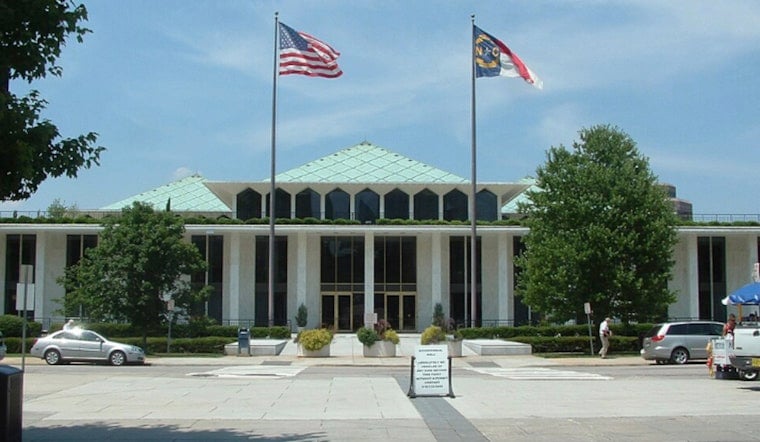
North Carolina lawmakers are moving ahead with a plan that would let public school students leave class during the day for privately run religious instruction, turning a long simmering local debate into a statewide mandate. The change has been slipped into a wide ranging K-12 omnibus bill and is already drawing fire from parents, school leaders and some faith groups.
Senate Bill 1006, the K-12 Innovation and Transformation Act, is the vehicle for the proposal and is listed on the General Assembly’s bill page as currently with the Senate Education/Higher Education Committee. The North Carolina General Assembly shows S1006 was filed in April and bundles together a mix of education policy changes and funding provisions.
What the amendment would do
Sen. Brad Overcash’s amendment would require every local school district and charter school to create a policy excusing students from class for at least one hour per week so they can attend religious instruction. The time away from school could not exceed four hours per week for any single school. The instruction would have to be run by a private provider, parents would have to give permission, and students would be responsible for making up any missed work, according to The News & Observer.
The proposal also bars the use of state and local public funds to support the religious classes and blocks on-campus religious instruction unless a neutral facilities use policy is in place that treats all outside groups the same. Overcash told colleagues that “a myriad of states have done what I’m proposing to you today,” casting the plan as a practical accommodation for families rather than a radical shift.
LifeWise expansion and local pushback
The timing is not accidental. The amendment lands just as LifeWise Academy, an Ohio based nonprofit that runs off-campus Bible classes during the school day, has begun expanding in North Carolina and talking up its national reach. LifeWise says it now operates in dozens of states and serves tens of thousands of students around the country.
Local boards have already been wrestling with whether and how to let LifeWise operate through memoranda of understanding. In New Hanover County, the school board scheduled public hearings amid concerns about lost instructional time and possible church-state entanglements, as reported by Port City Daily. Organized faith based advocates, including Pastors for NC Children, have also come out publicly against the expansion.
Legal questions and precedent
Supporters of the amendment point to a 1952 U.S. Supreme Court ruling that upheld so called released time programs under strict limits. In Zorach v. Clauson, the Court said public schools could release students for religious instruction if the classes were held off school property, privately funded and attended only with parental permission. Legal summaries and the Oyez project note that the decision emphasized government neutrality and the absence of public funding or coercion. Oyez outlines the ruling and the constraints it placed on official involvement.
What happens next
The released time amendment cleared the Senate Education Committee this week and is now folded into the broader S1006 package. From here, the bill could head to appropriations and then on to the full Senate for debate and votes.
This is not the first time the issue has surfaced at the legislature. An earlier proposal, Senate Bill 92, would have let students receive up to five hours per week of released time and allowed local districts to award elective credit for the classes. That bill stalled in committee, and its text remains available on the North Carolina General Assembly website.
For now, lawmakers, school boards and parents across the state are watching to see how the Senate balances a one size fits all standard with local control and constitutional guardrails. If the change becomes law, districts will have to sort out the everyday details, including transportation, staffing, make up work policies and facility rules, a to do list that almost guarantees more local debate and school board votes in the months ahead.





