

























































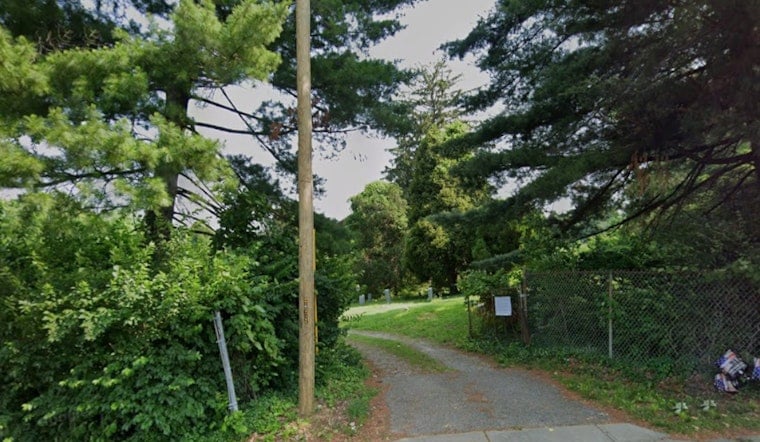
Madisonville’s United Colored American Cemetery is finally getting the kind of attention and cash it has needed for years, with nearly $1 million now lined up to stabilize and restore the historic Black burial ground.
The money, coming from a major federal preservation grant along with new corporate and community pledges, will go toward shoring up crumbling vaults and monuments, mapping buried graves, and tackling long-overdue repairs at the 19th-century cemetery that holds generations of Black Cincinnatians.
Federal boost from the National Park Service
The largest single piece of the package is a $750,000 grant from the National Park Service’s History of Equal Rights program, according to the National Park Service. The program backs pre-preservation and preservation work tied to struggles for equal rights and typically funds projects that roll out over a two to three-year span.
Fifth Third pledge and local matches
Leaders at Union Baptist Church, which is connected to the cemetery, say the federal grant will be bolstered by corporate and neighborhood support. Fifth Third Bank has pledged $50,000 and has committed to matching community contributions up to $200,000 over the next three years. Combined with other gifts, that pushes the preservation effort close to the $1 million mark, according to WCPO 9.
“It’s a rejoicing, joyous occasion,” Rev. Dr. Orlando Yates told the outlet, while Madisonville resident Denise Callaway called the work a “tangible reminder” of her roots.
More than a century of history
The United Colored American Cemetery was formally dedicated in 1883, after remains were moved from an earlier burying ground in Avondale, according to the church. Union Baptist Church says the grounds were laid out by noted landscape architect Adolph Strauch, giving the site a design pedigree that matches its historical weight.
Church and Union Foundation leaders say the cemetery is the final resting place for abolitionists, civil rights leaders, writers, local business owners, and at least 55 Civil War veterans.
Legal fight and contamination woes
Union Baptist sued Fifth Third in 2021, alleging that stormwater runoff from the bank’s Madisonville operations center repeatedly flooded the cemetery, moving headstones and washing away graves, according to the church’s court filing. The complaint, filed in Hamilton County Common Pleas Court and available online, lists the cemetery parcels at Duck Creek Road and Strathmore Drive and seeks money damages along with injunctive relief.
Local reporting and public radio accounts also note that sections of the grounds were closed in 2022 after sewage-tainted water surfaced on the site, creating yet another obstacle for upkeep. City reporting has put the number of burials at more than 12,000, which gives a sense of just how large a preservation job this really is.
What the restoration will cover
Project organizers say the new funding will cover cleaning and repair of monuments, structural work on burial vaults, and mapping the grounds with ground-penetrating radar to locate unmarked graves, according to local reporting. Plans also include improvements to access and security so the cemetery is both safer and easier to navigate.
Trustees with the Union Foundation say the combination of federal, corporate, and neighborhood support should finally allow the church to move forward on work that helps families find ancestors’ graves and restores a sense of dignity to the landscape.
How to help and what’s next
Fifth Third’s matching pledge is spread over three years, giving residents and supporters time to chip in. The Union Foundation is collecting donations for the cemetery through a Givebutter campaign.
Church leaders say planning and permitting are still underway, and that repairs, mapping, and stabilization will move ahead over the next several years as the money is released and contracts are put in place. For a site that has quietly carried so much of Cincinnati’s history, the long, careful work of bringing it back into focus is finally on the calendar.



