

























































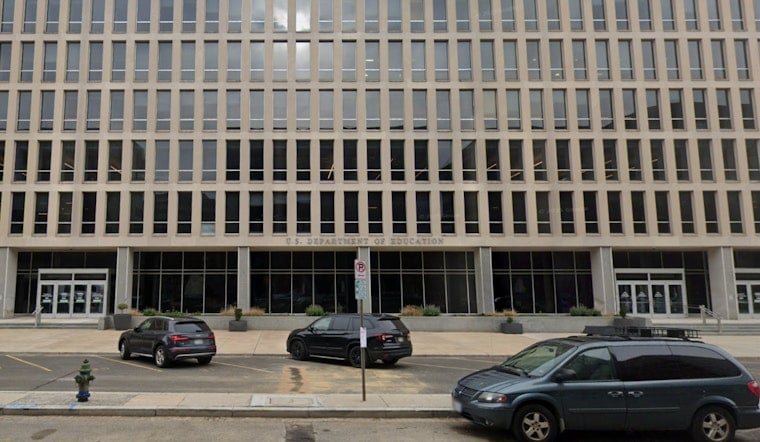
A sweeping federal shakeup of how the Education Department judges college programs could soon tie access to federal student loans directly to what graduates earn, and early government number-crunching suggests thousands of programs are in the danger zone. College leaders and trade-school groups warn the plan could quietly squeeze off funding for lower-paying fields such as cosmetology, some seminary tracks and parts of the arts and humanities. Students, faculty and local employers are now wondering whether popular career paths will stay affordable or slowly wither under the proposed earnings thresholds.
How the earnings test would work
Under the Department’s proposed “earnings premium” rule, an undergraduate program would need its alumni to out-earn people with only a high school diploma four years after completion. Master’s programs would have to beat the median earnings of 25-to-34-year-old bachelor’s degree holders in similar fields, according to the Department’s proposal in the Federal Register. The plan would scrap older debt-to-earnings measures in favor of a cleaner earnings-only benchmark and would lean on IRS and Census data to score program outcomes. Any program that fails the earnings test in two out of three consecutive years would lose access to federal student loans under the draft rule.
Who would be hit
The Department’s own modeling shows the share of programs that fail the new accountability framework would tick up slightly to about 5.1 percent, and early Education Department data publicly flagged more than 2,800 programs that could be in trouble, according to The Boston Globe. The Globe reports that federal calculations projected 100 percent of associate-level cosmetology and somatic bodywork programs would miss the mark and that the proposed standards could cut off loans to roughly 89 percent of students in some master’s-level religion programs. Researchers cited in that reporting also say an apparent data error means some programs flagged on the Education Department’s early list would actually clear the bar once the thresholds are corrected.
Timeline, comments and political context
The Department rolled out the earnings-accountability proposal in April and has been collecting public comments as it moves toward final regulations. The Department’s negotiated-rulemaking page and recent actions in the U.S. Department of Education docket spell out the schedule and underlying analysis. As reported by The Washington Post, education-industry groups say it will likely be at least another year or two before any program actually loses federal funds, giving colleges some time to appeal or retool. The proposal is bundled into a broader overhaul linked to the One Big Beautiful Bill Act, which also reshapes repayment plans and loan limits and includes provisions slated to take effect on July 1, 2026.
Legal and institutional implications
Under the draft regulation, programs that fail in two out of three years would lose federal loan eligibility, and institutions could also be cut off from Pell Grants if a large share of their federal-aid recipients are enrolled in failing programs, according to the Department’s analysis in the Federal Register. Appeals would be tightly limited, generally focusing only on whether the Education Department miscalculated earnings rather than inviting a broader debate over the program’s merits. Legal experts warn that narrow lane could sharply restrict colleges’ options for challenging a loss of federal aid.
Local colleges and career programs watching closely
College leaders and trade-school advocates argue the rule risks punishing strong programs that serve disadvantaged students and fuel regional labor markets, and they are urging the Department to tweak its formulas and fix any errors, The Boston Globe reports. Administrators at small Christian colleges and seminaries say the changes could trigger layoffs or force them to cut entire programs. Career-education groups are pressing federal officials to factor in regional pay scales, part-time work and tipped income before applying a one-size-fits-all earnings standard across the country.
What students and applicants should watch
Students considering trade, arts or religious programs are being urged to talk with financial aid offices about program-level outcomes and to keep an eye on the Education Department’s public postings for updated lists and corrections. Official guidance and borrower tools are available at StudentAid.gov and on the Department’s negotiated-rulemaking page, which also lists key deadlines and contact points for questions.



