

























































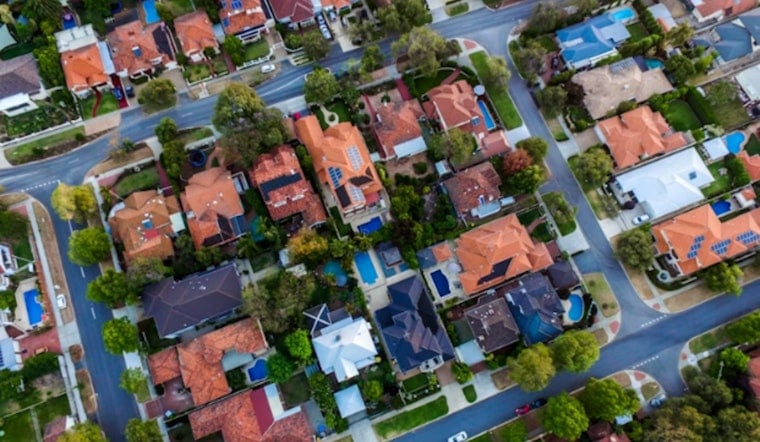
Massachusetts has a new way to keep score on its housing crunch. On Thursday, the Healey administration rolled out an interactive database that shows, city by city, how many new addresses and homes have been added in recent years. The idea is to make the state's decade-long housing push visible at street level, and to highlight where construction is humming along and where it is barely a murmur.
The public tool pulls U.S. Census address counts into a searchable map and table so anyone can look up a municipality's tally. The current dataset shows about 34,500 new homes in 2025, broken out by place: Boston clocks in with 5,983 new homes, Norwood with 133 and Gloucester with 57. The administration says it will refresh the database twice a year to track progress toward its 222,000 home goal by 2035. As outlined on Mass.gov, the figures are based on address counts rather than building permits.
Housing advocates are welcoming the new visibility. "We need to have data-driven conversations," said Jesse Kanson-Benanav of Abundant Housing Massachusetts, who praised the added transparency. Brandon Stanaway of Allston-Brighton Housing Action said the tool "shows what direction we are going in" and could help advocates and planners zero in on where housing is actually being produced. Those reactions were reported by NBC Boston.
Critics are less impressed with the topline numbers. Republican candidates for governor argue that address counts do not change the reality of permit and zoning obstacles. "We're producing less housing on a per-capita basis than any other state," said Brian Shortsleeve, while Mike Minogue warned that on permits "we're in the bottom tier" and that developers are not coming in. Those comments were also captured by NBC Boston.
What the tracker shows
Statewide, the 2025 totals represent roughly 15% of the 222,000 new homes the administration says Massachusetts needs by 2035. The growth is far from even, however, with some communities adding large numbers of addresses while others barely move the needle. The dashboard is meant to supplement permit and pipeline data by spotlighting where address counts, a proxy for completed or nearly completed units, are already climbing. For background on the target and the broader strategy, see the ambitious statewide housing plan that lays out the "A Home for Everyone" agenda.
Limitations and next steps
State officials are quick to say the address-based approach is not perfect. The counts pick up new mailing addresses and unit conversions, which may not line up neatly with building permits or units still under construction. The administration's methodology notes that address totals will be updated regularly, but that they should be read alongside information on permits, housing starts and pipeline projects. Technical details on how HLC compiles the numbers are posted on Mass.gov.
Public data advocates argue that putting all of this on a public map will sharpen accountability, especially if the numbers are updated twice annual. Residents will be able to watch whether local rules, zoning changes and private investment are turning into actual homes on the ground. As the database matures, planners and housing groups will keep a close eye on permit and pipeline figures too, testing whether the growing address tally translates into more affordable options for renters and buyers. For now, the launch gives voters a new, highly specific way to see how their own town is contributing to the statewide housing goal.


