

























































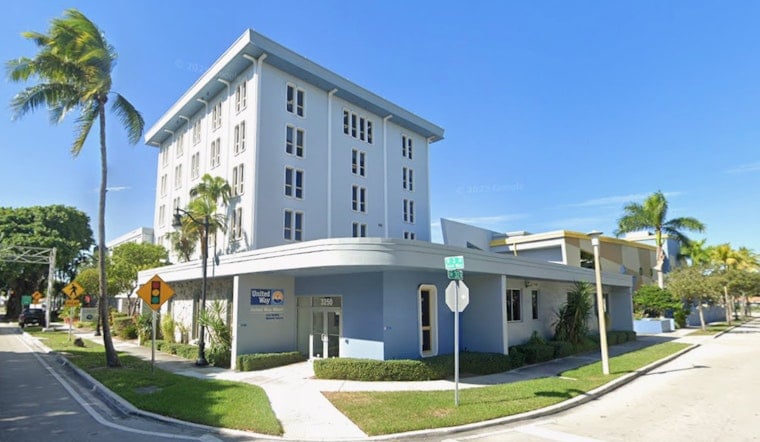
In a county where a modest apartment can feel as rare as a cool August afternoon, Miami Homes For All is trying something decidedly local in scale. The nonprofit has launched a Small-Scale Affordable Development Alliance, or SSADA, to help landowners, nonprofits and early-stage developers turn small lots and underused buildings into affordable homes across Miami-Dade.
The idea is to boost neighborhood-level housing production, not giant towers. Think duplexes, quadplexes, accessory units and compact multifamily buildings in areas where residents are feeling the heat of displacement the most. SSADA pulls together public, philanthropic, nonprofit and private development partners to create a single front door for these smaller projects.
Organizers say the effort is a team sport. Listed partners include Miami-Dade County, the City of Miami, The Miami Foundation, the Health Foundation of South Florida and Enterprise Community Partners. The rollout and first target areas were detailed in a local press release about the launch, according to Miami Community Newspapers.
How the alliance works
SSADA centers on an online intake and information portal that serves as the main entry point for small projects. From there, the alliance offers technical assistance, workshops and development services designed to guide participants from predevelopment through construction.
"We're creating a coordinated entry point where landowners can better understand their options and connect with trusted support systems," said Miami Homes For All's Lisa Martinez, describing the sort of step-by-step guidance the alliance plans to provide. Organizers say the portal helps property owners and emerging developers map out zoning, financing and permitting pathways for neighborhood-scale projects, according to Miami Community Newspapers.
Early projects and pilot work
SSADA did not appear out of thin air. It grew out of a pilot phase in which organizers worked alongside a group of small projects and property owners across Miami-Dade.
Among the early examples officials highlight is a four-unit rehabilitation in Allapattah led by Vaughan Johnson. Another is "Casa Lynda," a planned 20-unit senior housing development by Lynda Harris on a lot that had been sitting vacant. The Miami Herald reported that Harris worked with Miami Homes For All for roughly two and a half years to learn the ins and outs of zoning, permitting and financing, which is exactly the kind of capacity the alliance is trying to grow countywide.
Why organizers say it matters
Miami Homes For All presents SSADA as a block-by-block response to a countywide shortage. The group estimates that Miami-Dade is missing more than 90,000 homes affordable to households earning up to about $75,000 per year.
Program leaders are clear that a handful of duplexes will not erase that deficit. Their argument is that helping longtime owners and community-based developers create and preserve small properties can slow displacement, stabilize neighborhoods and keep housing-related wealth in place for local families. That 90,000-unit gap and the focus on neighborhood-scale interventions sit at the center of the organization’s broader strategy, according to Miami Homes For All.
How to get involved
Property owners or emerging developers curious about what they can do with a small lot or existing building are being directed to start with the alliance’s intake portal at buildaffordablemiami.org. Organizers say that is the first step to accessing technical assistance and a tailored development roadmap.
SSADA also plans to host workshops, legal clinics and one-on-one consultations to help newcomers navigate zoning overlays, permitting timelines and potential funding sources. Interested participants can visit buildaffordablemiami.org to register their interest and see what documentation they should prepare.
The alliance was unveiled publicly at an Emerging Developer Conference in early May at Overtown's Historic Lyric Theater, where elected officials, funders and housing leaders gathered to talk through what neighborhood-rooted development can look like in practice. Organizers say the partnership model, which stitches together county agencies, philanthropic organizations and local community groups, is designed to cut down the technical and financial hurdles that have long put small-scale housing projects out of reach for many local owners, according to Coconut Grove Magazine.





