

























































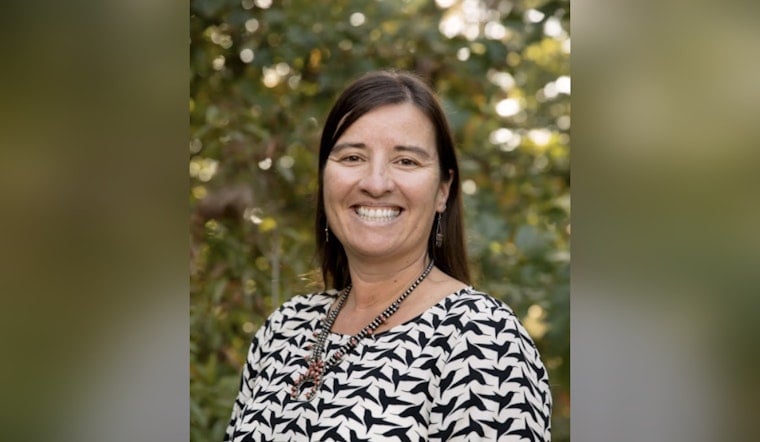
Kacey KC is coming into Oregon’s top forestry job with the grace of a wildfire crew chief on a red-flag day: calm voice, hard line. The state’s new forester is promising “zero tolerance” for the financial missteps and workplace behavior that helped knock out her predecessor, even as she takes over an agency that manages only a small slice of Oregon’s woods but carries a huge share of its wildfire workload.
According to a press release from Gov. Tina Kotek’s office, KC was appointed in January, with an effective start date of March 1, 2026, and will be the first woman permanently appointed to lead the Oregon Department of Forestry. The Governor's Office said KC brings more than 25 years of experience along with a reputation for building partnerships across agencies.
KC arrives in Salem after roughly 24 years in Nevada forestry and natural resource agencies, including eight years as Nevada’s state forester and firewarden and a recent term as president of the National Association of State Foresters. As reported by Oregon Capital Chronicle via OPB, she says she is spending her first weeks mostly listening and learning the agency before moving on any big structural overhaul. She told reporters she wants to balance habitat needs with fire mitigation and, at the same time, rebuild trust inside the department.
Small Agency, Outsized Firefighting Job
The department directly manages about 745,000 acres, roughly 3% of Oregon’s more than 30.5 million forested acres, yet it acts as the state’s principal wildland firefighting organization and protects about 16 million acres of private and state forestland. According to the Oregon Department of Forestry, timber revenue from state forests helps fund local services while the agency coordinates prevention, detection and rapid initial attack over a sprawling landscape. That mismatch, a relatively small land portfolio paired with huge protection responsibilities, has made wildfire costs and cash flow recurring headaches for lawmakers and budget writers.
Zero Tolerance And A Listening Tour
KC has said she brings a “zero tolerance policy for a lot of different issues, both financially and treating people poorly,” and that she intends to emphasize accountability without racing into sweeping personnel changes. OPB reports she has already met with environmental organizations, timber operators, tribal leaders and rural fire associations in her early weeks on the job. KC told the Capital Chronicle that any fire-mitigation work should be “considering habitat” as well as protecting communities, a balancing act that has tripped up more than one Oregon forester.
What KC Inherited
KC steps into the role a little more than a year after former state forester Cal Mukumoto resigned amid workplace conduct investigations and scrutiny over spending. An ODF bulletin confirms Mukumoto’s resignation, and lawmakers, facing the bill from a costly 2024 fire season, approved emergency funding to keep the agency whole. Local coverage highlighted Gov. Kotek’s signature on a special-session bill that directed about $218 million to cover firefighting costs and contractor payments, as reported by KTVZ.
How The Appointment Rules Changed
KC’s hire is also a product of a political shift in who holds the keys to the corner office at Forestry. Recent legislation gave the governor, not the Board of Forestry, the authority to appoint the state forester, a change noted in Kotek’s announcement of KC’s selection. Her nomination went through the state Senate, and the legislative record lists her term as running from March 1, 2026, through Feb. 28, 2030. See the official OLIS executive appointment record for details.
KC’s early report card will likely focus on whether she can stabilize wildfire finances, keep crews and contractors paid on time and repair a workplace culture that employees and partners have criticized in recent years. With tribes, industry and conservation groups already at the table, the upcoming fire season will be an early test of whether “zero tolerance” in the director’s office turns into steady, day-to-day reforms out in the woods.





