

























































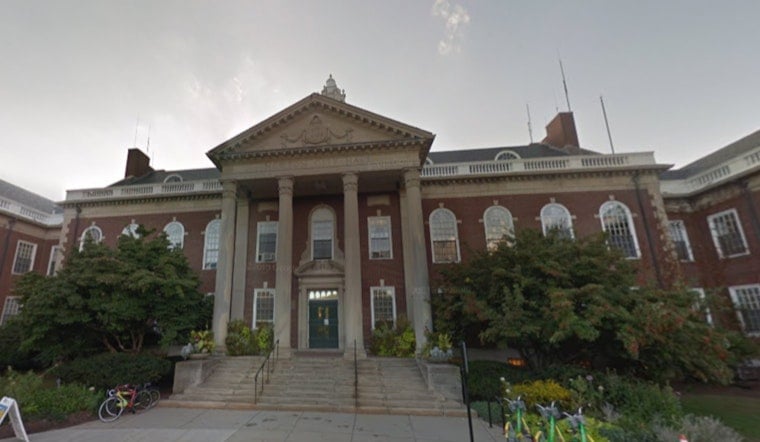
A private Eid al-Adha celebration at Newton’s War Memorial Auditorium on May 30 has touched off a fierce local dispute, with the Massachusetts chapter of the Council on American-Islamic Relations (CAIR-MA) alleging the city is now the target of a coordinated anti-Muslim campaign. The uproar has stirred public backlash and pushed Newton officials to temporarily halt rentals at city-owned venues while they rethink how outside groups get access to public spaces.
In a press release shared by CAIR-MA, the organization said members of a closed social-media group circulated a petition to Mayor Marc Laredo that "raised baseless allegations" about Muslims and community partners and that the rhetoric "has not stopped." The group urged elected officials, neighbors and interfaith partners to reject anti-Muslim bigotry and said the campaign has generated fear and concern among local Muslim residents.
Letters and Local Reporting
The controversy traces back to a sharply worded letter, first reported by Newton Beacon, that criticized City Hall for allowing the Eid celebration and accused some "community partners" of unsavory ties. The letter, signed by 17 people including about 10 Newton residents, warned that "Local Jews are on edge in light of recent incidents such as swastikas on synagogues and Nazi salutes in schools" and demanded a tighter review of how out-of-town groups are vetted.
The mayor’s office told Boston.com that the city "does not discriminate based on applicants' religious or cultural affiliations" when renting public spaces and noted that the War Memorial regularly hosts a wide range of meetings and celebrations. At the same time, the city’s website now states that the War Memorial Auditorium and Newton Community Stage have paused all rentals indefinitely while officials "reevaluate our policies and procedures."
CAIR-MA has framed the dispute as part of a broader spike in anti-Muslim incidents. In its release, the group said local Muslims have experienced what it called a 65 percent increase in hate violence, pointing to its national civil-rights tallies. The chapter argued that a privately organized Eid gathering should not be turned into a pretext for guilt-by-association attacks on community groups.
Local Fallout And Next Steps
Organizers and city leaders have pushed back on the criticisms, noting that the May 30 celebration drew roughly 300 people and was intended as a community-oriented event. "Events like these help strengthen the sense of belonging," organizer Amira Elamri told Newton Beacon, while City Councilor Martha Bixby praised efforts to live with and support one another.
For now, Newton’s rental pause leaves residents waiting to see how the city will rewrite its vetting and permitting rules, and how leaders will juggle concerns about safety with a commitment to fair access to public space. The local fight over a single holiday event has quickly become a flashpoint in a larger national debate over inclusion, religious freedom and who gets to share the civic stage.





