

























































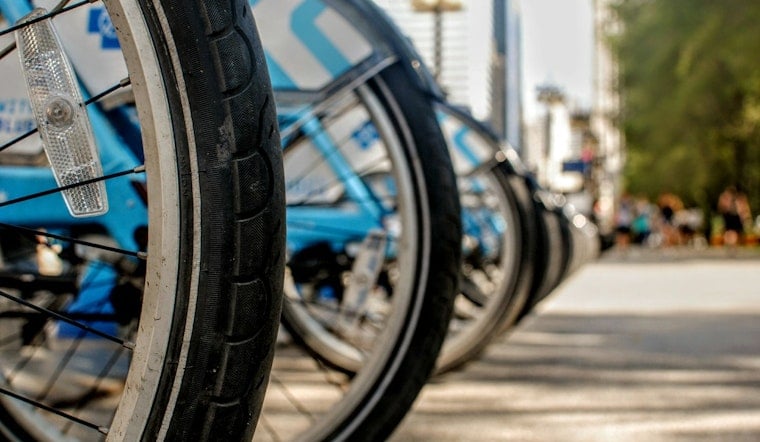
Minneapolis could be gearing up for a sequel to its once-iconic green bike share. After Nice Ride shut down in 2023, local planners and a Minneapolis nonprofit are now talking about a "Bike Share 2.0" built around electric-assist bikes, smart docks and equity-focused programs meant to keep bikes on the street all year, not just when funding is flush.
Who’s pushing the comeback?
As reported by MinnPost, Nice Ride’s board handed off the program’s remaining financial assets to a local nonprofit that is now steering the relaunch effort. That group is coordinating with city staff, transit agencies and community organizations to sketch out what a next-generation system might look like. The handoff effectively puts a local policy shop in charge of braiding together public funding, private grants and community programs in hopes of building something sturdier than the first version.
What would be different from the old Nice Ride?
A recent report from Great Plains Institute lays out a "Bike Share 2.0" centered on fully electric bikes, smart docking stations with in-dock charging and public control over where stations go and how much riders pay. The goal is to boost equity and keep service reliable through winter instead of watching bikes vanish when conditions get tough.
By using a docked network with in-dock charging, planners say the system could cut back on the truck-and-trailer shuffling that dockless operators rely on to move bikes around. E-bikes, meanwhile, are meant to expand who rides in the first place by making longer trips and hilly or cold conditions less of a slog. The study also backs income-qualified pricing and formal partnerships with transit and community groups so neighborhoods that lost service after Nice Ride’s shutdown are not left on the sidelines this time.
Why did Nice Ride stall?
Nice Ride rolled out in 2010 and quickly became a familiar part of the Twin Cities streetscape. But the program hit a financial wall when its primary sponsor pulled out and the nonprofit behind the system could not backfill the revenue, leading to a suspension of operations in early 2023. According to the Star Tribune, the loss of Blue Cross Blue Shield funding left a multimillion-dollar shortfall.
After Nice Ride’s exit, the city accepted donated racks and pivoted toward contracts with dockless vendors like Lime, Spin and Veo to keep shared bikes and e-bikes available, according to City of Minneapolis planning documents.
Where the money might come from
One likely source of cash for a reboot is the regional transportation sales tax approved in 2023, which reserves a slice of revenue for active-transportation projects. That money could help cover station infrastructure and equity programs, according to Metropolitan Council materials. Planners say those dollars, paired with federal grants and philanthropic support, could bankroll station deployment, in-dock charging and secure parking pilots.
Local officials are also looking at how a docked system would plug into the city’s existing mobility hubs and current operator contracts so riders see it as one consistent, affordable network instead of a patchwork of unrelated services.
What’s next?
Great Plains Institute says it is in the middle of lining up funding sources and organizing community outreach that will shape routes, pricing and equity programs. Aaron Westling, the group’s shared mobility program manager, told MinnPost that Bike Share 2.0 is expected to feature e-bikes specifically to pull in new riders and make longer trips feel less intimidating.
City staff and advocates caution that the effort - from hunting down money to picking pilot sites to choosing hardware - will not happen overnight. The point this time, they say, is to build a system meant to outlast any single sponsor’s marketing cycle.



