

























































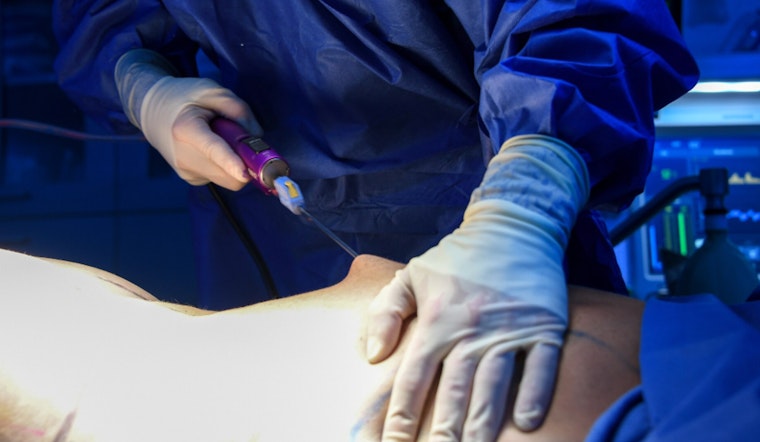
Dozens of Americans who traveled for cosmetic surgery over the last decade ended up with serious complications, including bacterial infections and four deaths, according to federal health officials. The findings come from a federal review of public health consultations from 2014 through 2024, covering both international trips and procedures done in other parts of the United States. The study is renewing calls for better surveillance, clearer patient guidance and closer coordination between clinicians and public health agencies.
The analysis reviewed CDC consultation records and identified 21 consultations involving about 145 patients who traveled for cosmetic procedures, most commonly liposuction and abdominoplasty. Postsurgical infections were described in 20 consultations and 12 involved suspected or confirmed nontuberculous mycobacteria, while four consultations reported patient deaths, according to Emerging Infectious Diseases.
What federal guidance says
Public health guidance for people considering surgery abroad leans heavily on planning and follow up. Patients are urged to talk with their primary clinician and a travel medicine specialist in advance, confirm how post-operative care will be handled, and make sure they can access medical records and insurance coverage if complications arise. The medical-tourism chapter of the CDC Yellow Book also flags infection risk, antimicrobial resistance concerns and advice on when it is safe to fly after certain procedures. According to the CDC Yellow Book, those steps help clinicians and patients reduce avoidable harms.
Where travelers go and what goes wrong
Most consultations in the review involved procedures performed outside a patient’s home state or country, and surgery centers and outpatient clinics were common settings for adverse outcomes. Investigators found that lapses in environmental cleaning, use of personal protective equipment, hand hygiene and instrument reprocessing contributed to at least one domestic and one international investigation. These infection-prevention failures helped explain why hard-to-treat organisms such as nontuberculous mycobacteria appeared in multiple cases, according to Emerging Infectious Diseases.
Past outbreaks underscore the risks and the burden on U.S. hospitals
CDC investigations in recent years have documented deadly events tied to cosmetic surgeries performed abroad, including multiple deaths linked to procedures in the Dominican Republic, as detailed in an MMWR report. Returning patients can arrive with unusual or drug-resistant infections that require prolonged, specialized care, complicating treatment and stretching hospital resources. That strain on hospitals and infection-control teams is highlighted in recent literature, including analysis in the Journal of Hospital Infection on surgical-site infections among medical travelers.
Practical steps for patients and clinicians
Experts recommend concrete precautions for anyone considering surgery away from home. Patients are advised to verify a facility’s accreditation, ask for surgeon credentials and outcomes data, secure a clear plan for post-operative follow up locally, request copies of operative records in English, and avoid long flights during the immediate recovery period when possible. Clinicians are urged to take a careful travel and procedure history for any patient with a wound or systemic infection after travel and to have a low threshold for notifying public health authorities if a suspicious infection is found, according to the CDC Yellow Book.
Anyone who becomes sick after cosmetic surgery away from home is urged to seek medical care quickly and tell clinicians about both the travel and the procedure. Public health experts say improved reporting and interagency coordination will be critical to spotting outbreaks earlier and limiting harm. The new review adds fresh momentum to those calls and was reported this week by national outlets including Reuters.



