

























































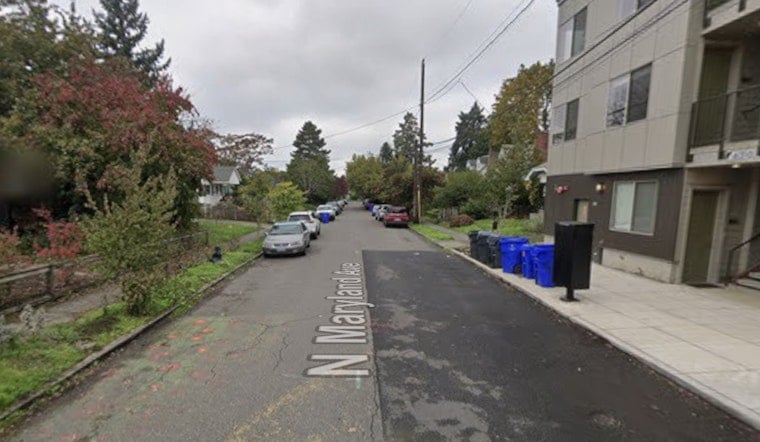
Along North Maryland Avenue in North Portland’s Arbor Lodge neighborhood, a cluster of vacant houses that were supposed to make way for a new apartment building has instead turned into a neighborhood headache. The homes, bought by a developer for a future project, are now described by nearby residents as magnets for squatters and crime. Neighbors report repeated break-ins, a house fire this winter and frequent police responses that have left nearby renters rattled, with some deciding they have had enough and moving out. The developer says construction is on pause while it sorts out financing and permitting, but residents say the empty buildings are rotting and drawing dangerous activity in the meantime.
Neighbors told KGW the homes have sat empty for years and are routinely used for squatting. The station reported that it obtained video showing one of the houses fully engulfed in flames in February 2026. According to that report, the Portland Police Bureau arrested a man at one of the properties on suspicion of trespassing and theft, and people living nearby have started moving away because they no longer feel safe. Local accounts cited by the outlet describe a steady pattern of break-ins, fires and late-night police calls to the block.
Developer's Plan: The Pierson
Seneca Development markets The Pierson as a five-story, 76-unit apartment project planned for 6346–6316 N. Maryland Ave, with the company’s construction listings tying bid requests directly to those addresses. The firm’s materials describe a mix of studios and one- and two-bedroom units, positioned with street-level access to transit and nearby retail. Seneca says it has already spent money to secure the vacant houses while it waits for market conditions and permits to line up.
City Incentives And Permitting
Portland City Code provides a temporary break from many system development charges for qualifying housing projects, an exemption that runs through Sept. 30, 2028. The waiver, which took effect on Aug. 15, 2025, can significantly lower up-front costs for developers, but it comes with strings attached, including construction milestones that must be met to keep the benefit. The policy does not relieve the city of enforcing nuisance rules, and it does not remove an owner’s responsibility to secure vacant buildings.
Legal And Public-Safety Fallout
According to KGW, the city’s permitting office has issued two citations to the property owner, one for an unsecure building and another for overgrown grass, weeds and trash, with nuisance-compliance deadlines set for June 20 and June 23, 2026. The station reported that Seneca has not yet paid the intake fees required for demolition-permit review and that the company told reporters it has spent about $75,000 securing the lots. The same story noted a city estimate that the temporary SDC waiver could save the developer roughly $1.6 million, while neighbors argue that basic cleanup should not be held up while financing is sorted out. City officials told the outlet that ongoing enforcement and permit review will determine whether the houses are ultimately demolished or repaired once the required fees and paperwork are in order.



