

























































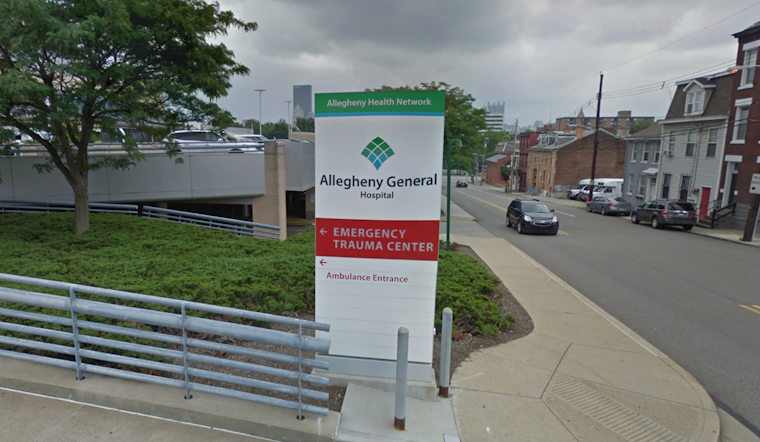
Allegheny General Hospital’s Mario Lemieux Center for Heart Rhythm Care on the North Side has wrapped a $19 million expansion that brings a new dedicated cardiac catheterization lab and upgraded electrophysiology equipment under its roof. The project is built to boost procedural capacity and put newer ablation tools within reach for patients who need advanced treatment for heart rhythm problems.
As first detailed by Pittsburgh Business Times, the work centers on a new cath lab located inside AHN’s Cardiovascular Institute at Allegheny General Hospital, along with a full renovation of the surrounding space. The report notes that the North Side academic medical center is among the early hospitals in the country locally offering a technology that uses carefully delivered “electric pulses” to treat certain heart rhythm disorders.
What “electric pulses” means for Afib and arrhythmia care
Those “electric pulses” refer to pulsed-field ablation, or PFA, a non-thermal ablation technique that delivers short, high-voltage electric pulses to targeted heart tissue. The goal is to create precise lesions through irreversible electroporation, which disrupts problematic electrical pathways that drive conditions like atrial fibrillation. Clinical reviews suggest PFA can be more tissue-selective than traditional radiofrequency or cryothermal ablation, which may help protect nearby structures such as the esophagus and phrenic nerve while also potentially shortening procedure times. A review on PubMed Central outlines the technique and summarizes the early evidence behind it.
Center backstory and local investment
The Mario Lemieux Center for Heart Rhythm Care was created after a major gift from the Mario Lemieux Foundation, combined with support from Highmark Health, as part of a broader push to grow advanced cardiac services within Allegheny Health Network. When the center was announced, PR Newswire linked the naming gift and funding directly to AHN’s long-term cardiovascular strategy.
Why this matters for Pittsburgh patients
For local patients, the expanded lab gives AHN more room to handle complex electrophysiology cases within the region instead of sending people farther afield. It also positions Allegheny General to bring in next-generation ablation tools as more clinical data accumulates and new devices clear regulatory hurdles. Early users of PFA have reported encouraging safety and efficiency results, while multi-center studies continue to follow patients over longer periods. As summarized on PubMed Central, the emerging literature highlights both the promise of the technology and the need for ongoing, careful outcome tracking.
Hospital officials say the new cath lab is now operational and will begin scheduling cases through AHN’s Cardiovascular Institute. For a visual walkthrough of the space, including the lab’s finishes and imaging upgrades, Pittsburgh Business Times offers a first look inside the renovation.





