

























































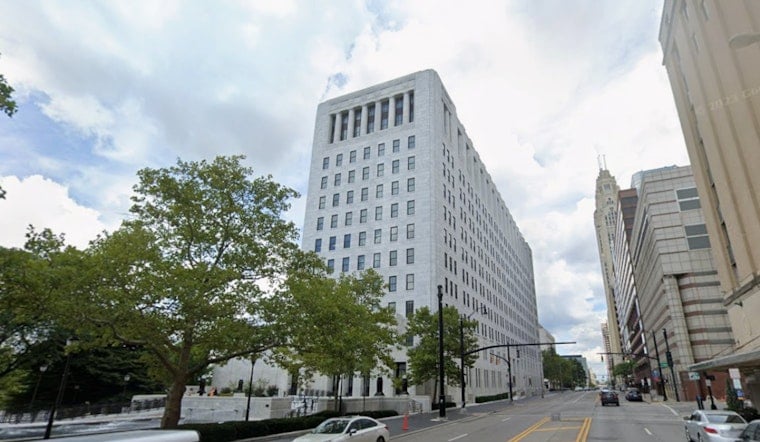
Ohio’s Supreme Court has signed off on roughly $115 million in charges billed to customers in 2020 to keep two aging coal plants running, rejecting appeals from environmental and manufacturing groups and handing utilities another win from the tumultuous House Bill 6 era. The unanimous decision, filed in Columbus yesterday, leaves intact state audits and regulator findings that the costs recovered through the legacy-generation rider met Ohio’s legal standard for prudency.
Court affirms audit and PUCO review
According to Court News Ohio, the high court upheld a 2020 audit that found about $115 million in Ohio Valley Electric Corporation (OVEC) costs could be passed on to customers under the legacy-generation rider. The opinion concluded that the Public Utilities Commission of Ohio (PUCO) did not commit reversible error when it relied on the auditor’s work and noted that pandemic-era market turmoil influenced how the plants were operated.
Challengers, including the Ohio Environmental Council and the Ohio Manufacturers’ Association Energy Group, argued that OVEC’s operators ran the units on a “must-run” schedule and shifted avoidable losses onto ratepayers. As reported by Cleveland.com, witnesses at PUCO hearings countered that the must-run strategy actually cost less than repeatedly shutting down and restarting the aging units during 2020’s volatile power markets.
How the rider worked and why utilities defended it
The disputed charges stem from operations at OVEC’s Kyger Creek station in Cheshire and the Clifty Creek station near Madison, Indiana. Both plants date to the 1950s and are expensive to cycle on and off. Audit reports reviewed in the litigation, and summarized in the court’s papers, show that consultant London Economics and PUCO staff flagged higher energy costs relative to wholesale markets but still concluded that, given start and stop expenses and other operational factors, the 2020 decisions were defensible in context, according to the Supreme Court of Ohio.
What it means for Ohio customers and policy
The ruling makes refunds for the 2020 audit period unlikely for customers who already paid the rider charges, even as lawmakers and advocates have moved to curb future cost recovery. Filings with the SEC note that House Bill 15, enacted in 2025, ended the retail recovery of OVEC costs effective August 14, 2025. Consumer advocates, including the Office of the Ohio Consumers’ Counsel, have argued that the decision highlights how limited court remedies are for past collections and have pressed for tougher PUCO scrutiny in administrative cases. In testimony, the Office of the Ohio Consumers’ Counsel warned that the rider allowed elevated operating costs to keep flowing to customers even after audits identified them.
Auditors also recommended several operational and accounting fixes to reduce the risk of similar disputes in the future, including shorter true-up lags and more frequent operating-committee reviews. The court acknowledged those suggestions while still upholding the 2020 charges. For now, the decision effectively cements PUCO’s auditing process as the main battleground for contested utility costs and nudges the broader fight over subsidies and oversight back to regulators and lawmakers at the Statehouse.



