

























































The family of an Oklahoma City man killed by a suspected drunk driver says they walked out of court on Friday stunned, angry and asking how this could be justice. Jennica Burton pleaded guilty to first‑degree manslaughter and driving under the influence in the crash that killed Beau Acton, and relatives say the punishment felt more like a technicality than accountability for the loss of a father and provider. On paper, the judge handed down decades in prison, but every year was suspended, a result that left the family demanding an explanation.
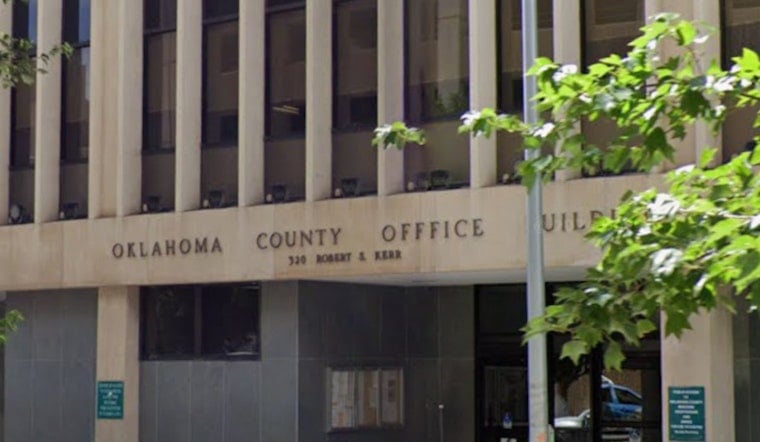
According to KFOR, Burton received a 22‑year sentence on the manslaughter charge and another year on a related count, with all of that time suspended. The Oklahoma County District Attorney's office told KFOR that Burton will not go to prison as long as she does not commit another crime, and that the sentence requires an ignition interlock device for two years along with court‑ordered driver education. Prosecutors said Burton admitted in court filings that she drove drunk and caused the crash, and the plea deal avoided a trial while also removing the risk she would face a long stretch behind bars.
Acton died after being hit while leaving work on his motorcycle. He was a single father of two, according to obituary notices. Legacy memorials describe him as a devoted dad and friend whose death has left loved ones stepping in to care for his children and wrestle with the fallout. Family members told reporters the sentence felt like the legal system waving off the weight of that loss.
Legal context
In Oklahoma, manslaughter in the first degree is a felony that carries a prison term of at least four years, with judges allowed to set a higher number or suspend the sentence under certain conditions. That statutory floor means courts can impose long "on‑paper" terms even when they choose to keep a defendant out of custody, a setup that has fueled frustration in other fatal‑crash cases. Oklahoma statutes spell out the basic punishment range for first‑degree manslaughter.
Family reaction
Acton's family members say they are deeply disappointed with the outcome and unsettled by the fact that Burton will avoid prison if she stays out of trouble, voicing worries that the punishment will not stop another tragedy. As reported by KFOR, they feel the court prioritized a negotiated resolution over what they see as real accountability. Relatives say they will keep fighting for Acton's children and are considering civil options as they look for some form of closure.
The case highlights the tension that often follows plea deals in deadly DUI crashes. Families get certainty and avoid the emotional toll of a trial, but many walk away feeling that a carefully bargained outcome does not match the seriousness of the loss. For Acton's loved ones, the suspended sentence offers little comfort as they shoulder the day‑to‑day work of raising his children and continue to push for what they call meaningful consequences.


