

























































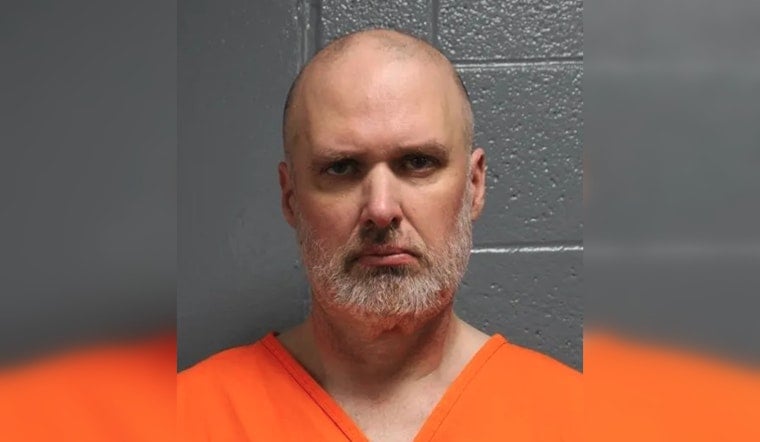
What started as a welfare check at a southeast Oklahoma City motel ended with a homicide investigation and a son in handcuffs.
Police say 79-year-old Carolyn Greenleaf was found dead inside a room at the Super Inn off I-35, with extensive and clearly visible trauma when first responders arrived. Her son, 56-year-old Michael Greenleaf, was soon identified as a suspect and is now behind bars as detectives sort through what happened.
According to Oklahoma City Free Press, officers had originally gone to the motel on April 27 for a welfare check. A few days later, on May 1, they arrested Michael Greenleaf and booked him into the Oklahoma County Detention Center on a murder complaint. Investigators say the case is still very much active as they review evidence and continue interviewing witnesses.
KFOR reports that a preliminary medical examiner’s report painted a grim picture of Carolyn Greenleaf’s final days. The report listed a broken neck, both old and new hip fractures, multiple fractured ribs and spine, a fractured hand and a broken nose. The examiner said the injuries were consistent with strangulation.
Court documents reviewed by KFOR state that the motel room showed clear signs of neglect. Investigators wrote that her only clothing was reportedly covered in urine and mold, and that she was found wearing only a diaper. A search warrant for Michael Greenleaf’s phone turned up photos and internet searches about elder abuse and jail conditions, according to the station.
Detectives also told KFOR they were not convinced by Greenleaf’s explanation that he injured his hand while changing a flat tire. After finding swelling in his hand and wrist, they raised doubts about that story. Court records cited by KFOR show he is being held on a 10 million dollar bond while prosecutors prepare charges.
Charges and next steps
Per Oklahoma City Free Press, Greenleaf is charged with murder and remains in custody as investigators and the Oklahoma County District Attorney’s Office continue to review evidence and consider formal filings. In elder-care homicide cases, prosecutors often take extra time to line up medical records, witness statements and digital evidence before deciding on additional counts or moving the case toward arraignment.
Broader context
The National Center on Elder Abuse notes that, in reported elder-abuse cases, family members are most often the perpetrators, and many more cases never make it to authorities. Red flags for investigators can include untreated or unexplained injuries, unsanitary living conditions and neglect of basic needs.
Advocates say this case highlights how vulnerable seniors can be when they rely on family caregivers, and why it is critical for neighbors, relatives and service providers to report suspected abuse to Adult Protective Services or law enforcement before it turns deadly.


