

























































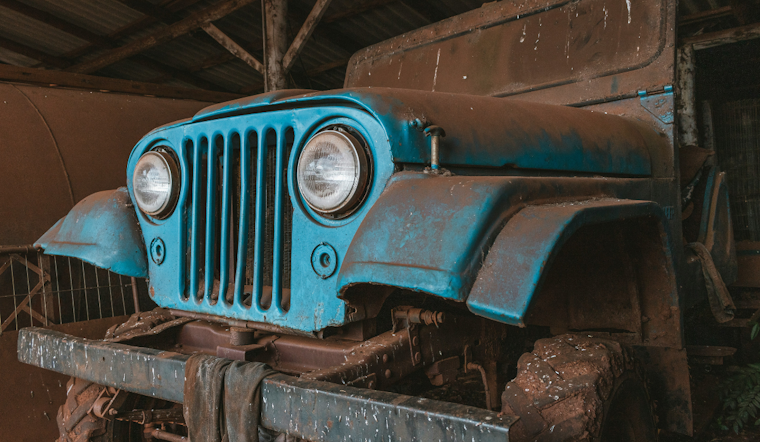
A used auto parts website tied to an Orlando mailing address is leaving customers across the country out thousands of dollars, according to buyers who spoke with local TV. Eddie Ortiz and his wife say they ordered hard-to-find parts for older Jeep Wranglers, were charged, and then never received the correct items. Their experience lines up with a familiar online pattern: sellers who take payment, ship the wrong or damaged parts or simply go silent when customers ask for a refund.
According to ClickOrlando, Ortiz and other buyers told reporters they repeatedly tried to get answers from the company, only to wind up with unpaid repair bills and tracking numbers that never seemed to lead to real deliveries. The station’s segment follows the Ortizes’ hunt for rare Wrangler parts and shows how scarcity nudges frustrated owners toward lesser-known online storefronts that promise exactly what they need. ClickOrlando’s report notes that no arrests or criminal charges had been identified at the time of broadcast.
Wider Pattern Of Complaints
Online reviews suggest the Ortizes are far from the only ones unhappy with this seller. Trustpilot hosts dozens of blistering writeups for a business using the oemusedautoparts1.com domain, with customers alleging canceled orders, incorrect parts and long, messy fights over refunds. A matching company name on the Better Business Bureau site is tied to a low rating and a stack of similar complaints.
Across those reviews, the themes are hard to miss: tracking numbers that do not update, product listings that vanish after people pay and restocking fees that carve away a big chunk of what little money some customers say they do manage to get back.
How The Ghost-Store Scam Works
Scam operations often start with slick, professional-looking websites that seem legit at first glance. They may use stolen product photos, undercut competitors with eye-catching discounts and promise fast shipping, then either fail to send anything or ship the wrong items entirely. The Federal Trade Commission warns consumers to be wary of this playbook and offers guidance on spotting red flags and reporting shady sellers at ReportFraud.ftc.gov.
That setup helps explain how even experienced car owners and shop pros can get pulled in. When a site looks polished, lists the exact part number you have been chasing and offers a price that seems just low enough to be a deal, it can be hard to tell the difference between a real recycler and a ghost store built to harvest payments.
What To Do If You Were Hit
If you think you were caught in a similar scam, speed matters. Contact your bank or card issuer as soon as possible to dispute the charge, and hang on to every receipt, confirmation email and screenshot that documents what you ordered and what you actually received, if anything.
Victims can also file a report with the FBI’s Internet Crime Complaint Center at IC3.gov and alert state consumer protection agencies. Florida’s consumer website lists hotlines and online complaint forms that can be used when a business is operating in or linked to the state. Filing a local police report can help create a paper trail too, giving prosecutors and insurers something to work with if an investigation moves forward.
Local Options And Where To Buy
For Orlando-area drivers who need parts yesterday, it may be safer to buy from local salvage yards or national recyclers where the inventory can be inspected in person. Established yards, such as Pick Your Part’s Orlando location, stock large volumes of vehicles and typically allow customers to check condition and fitment before paying, which cuts down on expensive shipping surprises.
When you do shop online, consumer advocates suggest sticking with sellers that list verifiable phone numbers, spell out clear and fair return policies and have track records on third-party review platforms. That is often a better bet than sending money to a one-off storefront with no history and no clear way to reach a real human if something goes wrong.
Legal And Next Steps
When an online seller engages in deliberate deception, it can cross the line into criminal fraud. Federal authorities monitor these kinds of schemes, and the FBI urges victims to file complaints through IC3 so investigators can spot patterns across different incidents.
On the civil side, tools such as credit card chargebacks or small claims court may help some buyers claw back their losses, especially if they act quickly and keep detailed records. This story is still developing, and we will continue to track it if local prosecutors or consumer agencies announce formal investigations or arrests.





