

























































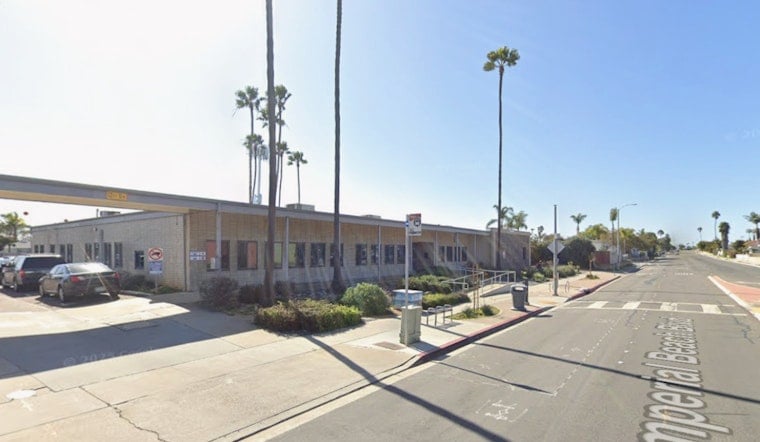
Imperial Beach’s small fire department is running hot with roughly a quarter of its sworn positions sitting empty, leaving fewer firefighters to handle a growing wave of calls. Crews say marathon stretches on duty, at times up to a week and a half with barely a breather, have turned into a way of life while the city hunts for new hires and weighs mutual-aid backup.
Staffing Numbers And A Heavier Workload
According to a city report, the department has 12 budgeted positions and three vacancies, a roughly 25% hole in its roster. Over the past decade, annual calls climbed from about 1,700–1,800 to roughly 3,000–3,100. Staff noted that the vacancy rate is now above the 20% mark that triggers extra reporting requirements under state law.
Crews, City Leaders And Neighbors Raise Concerns
Firefighters and residents told The San Diego Union-Tribune that the short staffing has translated into longer shifts and fewer days off, with pay frequently cited as a key reason people leave. “Public safety is our number one priority,” Mayor Pro Tem Jack Fisher told the paper, while Fire Chief John French pointed to the COVID-19 pandemic’s hit on academies and paramedic programs, which thinned the pool of qualified candidates.
Pay Moves, Recruiting Push And A Modest Raise
City materials show Imperial Beach has tweaked IBFA pay scales in recent contracts, and a staff report says IBFA members are set to receive a 2.5% cost-of-living adjustment effective on Wednesday. That same report says the department is funneling applicants through the Fire Candidate Testing Center and will pick up academy costs for new hires, while also exploring a mutual staffing agreement with Chula Vista.
The City Council also signed off on a successor memorandum of understanding that adds a new top salary step and makes schedule changes to nudge local pay closer to what competitors offer.
Operational Risks If Hiring Lags
Officials warn that without fresh hires, the city could face “brownouts” — temporary company closures — that would require San Diego Fire-Rescue to handle Imperial Beach calls, according to the reporting and council materials. Residents, including Carl Bradley, told the council that any brownout relying on outside coverage would be unacceptable.
What State Law Demands
Assembly Bill 2561 requires public agencies to present vacancy, recruitment and retention data at a public hearing, and to share additional information with employee organizations if a bargaining unit’s vacancy rate hits 20% or higher. The law, which takes effect in 2025, was cited by staff in the city’s presentation to the council.
City leaders say a mix of higher call volume, regional public-health pressures and tougher pay competition from private ambulance companies has made recruiting a grind. The coming hiring push and the July 1 cost-of-living bump will test whether Imperial Beach’s fixes are enough to stabilize staffing as the busy summer season ramps up.





