

























































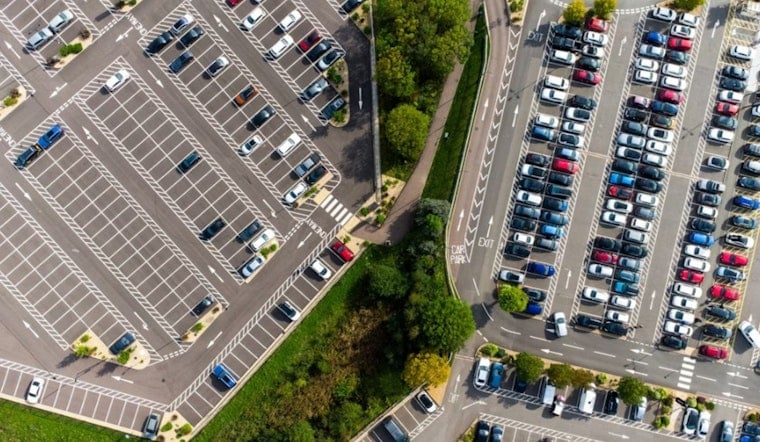
North Carolina is on the verge of a major parking plot twist. State lawmakers are close to scrapping long‑standing parking minimums that require developers to build large lots and garages, even when demand may not be there. If the bill crosses the finish line, cities and counties would no longer be allowed to mandate a fixed number of off‑street spaces for new projects, a shift that could reshape where housing, shops and offices get built across the state. The Senate has already signed off and the measure now waits on final action in the House before it can land on Gov. Josh Stein's desk.
Senate vote and immediate next steps
The Senate voted 44 to 1 in favor of House Bill 162, a lopsided tally that sends the proposal back to the House for a concurrence vote. If representatives agree to the latest version, the bill would then head to Gov. Stein and, if he signs it, would take effect Jan. 1, 2027, according to Axios Charlotte. During negotiations, lawmakers carved out an exemption for the state's 20 coastal counties, which would keep their existing authority to set parking requirements.
What's in the bill
House Bill 162 targets local rules that spell out how many off‑street parking spaces a development must provide. Under the proposal, cities and counties would no longer be allowed to require those minimums for new construction. The measure also gives local governments permission to offer carrots instead of sticks, such as tax incentives or waived fees, if developers agree to add extra stormwater controls to their projects. The full bill text and its status are posted on the North Carolina General Assembly website.
Supporters point to housing and water benefits
Supporters argue that blanket parking quotas can quietly inflate the price of building, especially when lots sit half empty most of the time. Scrapping those rules, they say, could lower construction costs and free up land for more homes, parks or green infrastructure instead of asphalt. The Catawba Riverkeeper has been a visible backer of the change, citing the sheer volume of runoff that comes off paved surfaces. The group notes that an inch of rain falling on a single acre of impervious surface produces roughly 27,000 gallons of runoff, and that excessive pavement can worsen both water quality and flood risk. Cutting back on unneeded parking, they argue, can therefore help on two fronts: housing affordability and healthier rivers.
A pricey amenity
Parking is not just painted lines on concrete, it is a serious line item in project budgets. The Urban Land Institute reports that structured parking can cost $50,000 or more per space. Developers generally roll those expenses into rents and sale prices, which means tenants and buyers ultimately pick up the tab for parking whether they use it or not.
Neighborhood worries and the lone dissent
Critics, however, warn that what looks like liberation from parking rules on paper could translate into a headache on neighborhood streets. In areas without robust transit, they worry that cutting required spaces could push more cars into nearby residential blocks and force cities to ramp up enforcement. That concern surfaced in the Senate debate, where Democratic Sen. Natalie Murdock of Durham cast the only "no" vote. In Charlotte, a city spokesperson told Axios Charlotte that if the bill becomes law, the city will revise its ordinances and "further assess potential development impacts." Opponents also argue that the measure strips local officials of one of their long‑used zoning tools.
What happens now
Procedurally, the bill now returns to the House, which must decide whether to concur with the Senate's changes. If the House signs off, the measure goes to Gov. Stein, who can sign it, veto it or let it become law without his signature. As noted by the North Carolina General Assembly, if enacted, the new rules would kick in on Jan. 1, 2027.





