

























































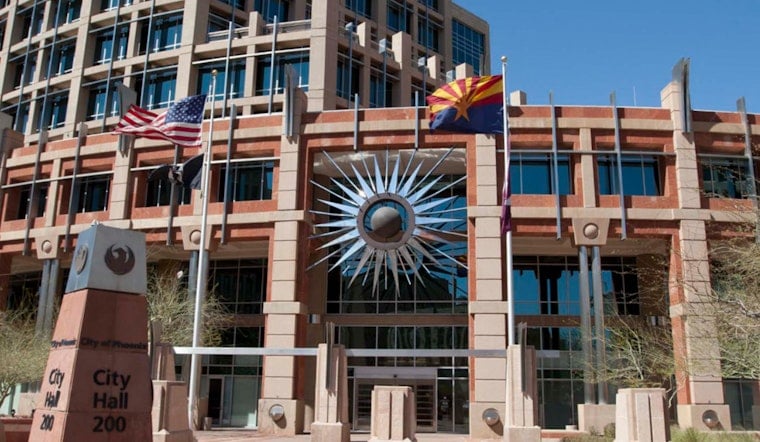
Mayor Kate Gallego and the Phoenix City Council have signed off on a new 2030 Food Action Plan, a five-year roadmap the city says is designed to get more fresh, affordable and culturally relevant food into neighborhoods across Phoenix. The council approved the plan on June 9, 2026, and Gallego later amplified the move in a June 29 social post, noting that the effort links urban agriculture investments with policy tweaks and programs that cut food waste and bolster local food businesses.
The vote was unanimous, according to the City of Phoenix, which reports that the update grew out of more than a year of community outreach involving about 2,300 residents. Officials say the 2030 blueprint builds on the earlier 2025 Food Action Plan and lays out ten strategic priorities to grow food access, workforce training and local procurement. “The 2030 Food Action Plan will enhance access to fresh, nutritious food and empower entrepreneurs,” Gallego said in the announcement.
Everyone deserves access to fresh, nutritious food. That's why the City Council and I passed the 2030 Food Action Plan to help strengthen our food system and reduce waste. https://t.co/IZimGOK7aI
— Mayor Kate Gallego (@kategallego) June 29, 2026
What’s in the plan
The 2030 plan, filed with the City Council docket, spells out actions to grow urban agriculture, revisit planning and zoning rules so community gardens and mobile markets can operate more easily, expand supports for food businesses and formalize buying local food for city use. It also calls for programs that keep edible food out of landfills, broaden culinary and farming training opportunities and strengthen the city’s emergency food resilience. The docket and its attachments list community partners and city departments and break each action into short, medium and long term timelines.
Local reaction and policy tensions
Community organizations have largely greeted the plan as a move toward food equity, but some service providers are wary that other recent city rules could make day-to-day aid work harder. Earlier in May, the council passed an ordinance that restricts food distribution and certain medical outreach in parks, a measure critics have labeled punitive that adds permit requirements and limits where and how groups can operate, according to AZFamily. Advocates say the timing of a city-built food system expansion alongside tighter rules on park-based charity efforts will force detailed talks about permits, extreme heat response and the logistics of feeding people outdoors.
Implementation, funding and next steps
City staff say the new plan will steer Phoenix’s food-system work through 2030 and builds on the 2025 Food Action Plan, which city documents report had roughly 90 percent of its actions completed. The City Council file also points to previous investments, including about $14 million from federal relief funds and ARPA, that scaled up emergency food programs and business supports the 2030 plan intends to grow, as detailed in the council docket. Staff are expected to return with implementation milestones and performance metrics in the coming months, and many of the outlined actions are slated to rely on external partners and targeted pilot funding.
Residents can read the final plan, find Spanish-language materials and sign up for updates on the city’s Food Action Plan page, according to the City of Phoenix. Community groups and individuals are encouraged to contact the Office of Environmental Programs for grant information and technical assistance as new programs roll out this summer.





