

























































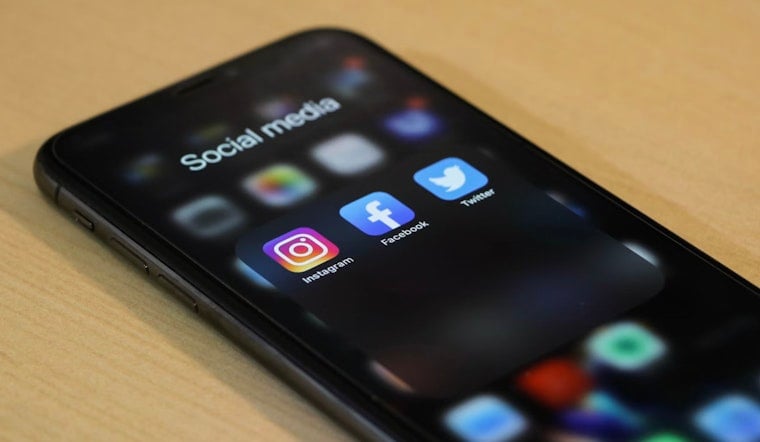
Portland cancer researcher Dr. Brian Druker, the oncologist behind the breakthrough leukemia drug Gleevec, had his identity swiped on social media this week as scammers used his name to hawk ivermectin as a supposed cancer cure. The bogus profiles popped up on X and Facebook, attached to posts that listed a phone number connecting callers to someone claiming to be Druker, according to screenshots sent to his employer. One person shared an image showing they had paid $467 for what was pitched as a supply of the drug. OHSU says it has flagged the posts to the platforms and is warning patients to tread carefully.
According to The Oregonian/OregonLive, OHSU handed over screenshots and confirmed it reported the impersonation accounts to X and Meta. The copycat profiles lifted Druker’s credentials and paired them with contact information that appeared in the fake posts. An X account was suspended, while a Facebook profile using his name was still live at the time the story was published. The Oregonian also reported that the phone number in one phony X post led to someone selling ivermectin and other unproven therapies.
Who Druker Is And Why His Name Mattered
Dr. Brian Druker serves as chief executive of the Knight Cancer Institute at OHSU and helped develop imatinib, better known as Gleevec, a pioneering targeted treatment for leukemia, according to OHSU. His national reputation and long track record in cancer research give scammers a ready-made veneer of credibility when they pretend to be him. “I spent an entire career based on honesty, integrity, bringing new treatments to patients that are going to improve their outcomes,” Druker told The Oregonian/OregonLive, reacting to the impersonations that twisted that reputation into a sales pitch.
Why Experts Say This Can Do Real Harm
Researchers and frontline clinicians warn that fake doctor accounts and AI-assisted impostors are not just annoying, they can nudge desperate patients toward unproven treatments or delay proven care. A UCLA-led study in JAMA Network Open found that prescriptions for ivermectin and similar antiparasitic drugs more than doubled after a splashy celebrity endorsement, a sign of how fast interest in unsupported therapies can surge once they hit the hype cycle. The American Medical Association has urged stronger federal action and tracking around physician deepfakes and impersonations, arguing that regulators and platforms need clearer tools to spot and shut down these fakes before they reach vulnerable patients.
Where Health Misinformation Finds An Audience
Much of the health advice swirling online is coming from people who are not medical professionals. A recent analysis from the Pew Research Center found that only about 17% of large health and wellness influencer accounts list conventional medical credentials. Roughly half of U.S. adults under 50 say they get health information from influencers or podcasts. That mix of expert and nonexpert voices creates fertile ground for impostor accounts to blend in and for patients to mistake slick marketing for legitimate medical guidance. Experts say the safest move is to double check health claims through official channels, such as hospital websites, peer-reviewed research, and direct conversations with your own care team.
What To Do If You See A Suspicious Post
If you spot a post that uses a real doctor’s name to sell treatments, keep a record by saving screenshots, skip any requests for money or personal details, and report the account to the platform. Contact the doctor’s office directly using a phone number from the hospital or clinic website to confirm whether the message is authentic. If you already sent money or information, reach out to your bank and local law enforcement. For now, clinicians and patient advocates say a healthy dose of skepticism, plus simple verification steps, are the strongest defenses while platforms and lawmakers try to catch up to the impersonators.




