

























































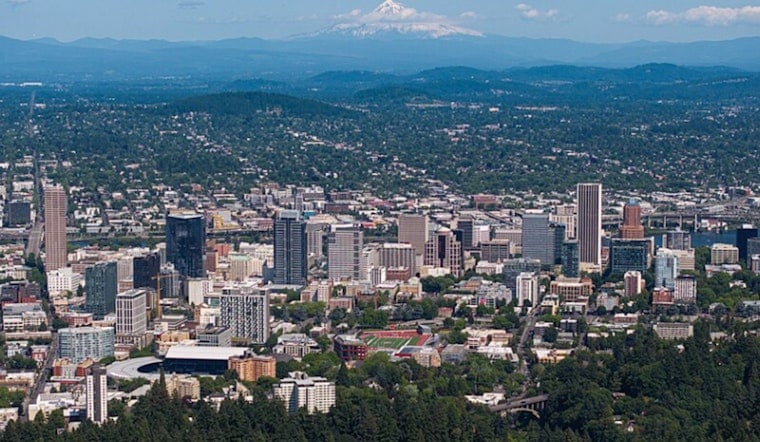
The Portland metro is slimming down while its smaller neighbors bulk up. A fresh regional snapshot of 87 cities across Oregon and southwest Washington shows that from 2020 to 2025 many suburbs and smaller towns gained residents, even as Portland itself lost ground. The uneven, city-by-city results echo the post-pandemic reshuffling of where people want to live, and they are starting to ripple through housing markets, local services and city budgets.
According to the Portland Business Journal, the 87-city list shows an average population increase of about 3.17% between 2020 and 2025, while seven cities saw declines and Portland itself shrank by roughly 1.38% over the same period. Reporter Brandon Sawyer assembled the ranking using certified population estimates from state and university demographers and ordered cities by percentage change. The full table sits behind the PBJ paywall, but those headline figures come straight from official tallies released this spring.
How the numbers were compiled
On the Oregon side, Portland State University's Population Research Center prepares the July 1 certified estimates that anchor the ranking. The center's 2025 tables build in historical revisions for annexations, wildfire impacts and other post-census adjustments, and those revised series are what drive the five-year change calculations. The full tables and technical methodology are available through the Portland State University Population Research Center.
Washington estimates used in the ranking
For Clark and Skamania counties, the Business Journal turned to the Washington State Office of Financial Management's April 1 population estimates, according to the Washington State Office of Financial Management. OFM's certified city counts double as the official figures used for revenue distribution and program eligibility, and its April 1, 2025 release highlights a slowing statewide growth trend. Those Washington tables feed directly into the PBJ ranking for the Washington cities that made the cut.
Where growth is clustering
Across the list, growth tilted toward smaller cities and suburbs rather than the region's biggest urban centers. Recent coverage has shown that some small Oregon towns are leading the pack in both home-price gains and population growth as buyers and renters look beyond central Portland for relatively more affordable options, per small Oregon towns. That shift helps explain why many of the fastest-growing spots are now outside downtown, even as the city proper sheds residents.
Why Portland lost residents
Regional analysts cite a mix of softer job growth, a slowdown in new housing permits and weaker international migration as key reasons behind Portland's population dip. ECOnorthwest's 2026 State of the Economy report for the Portland Metro Chamber flagged stalled population and employment growth that leaves the region more reliant on international inflows, according to ECOnorthwest. Those economic headwinds, layered on top of higher urban living costs in parts of the city, have nudged some movers toward nearby suburbs and smaller towns.
What it means for cities and services
Because these population estimates help determine how state money gets sliced up and which places qualify for certain programs, even modest shifts in headcount can have noticeable budget impacts. The estimates are part of the formulas that guide distributions of state dollars to local governments, according to the Washington State Office of Financial Management. City managers and planners, meanwhile, will be watching permit activity, vacancy rates and school enrollment to see whether the current migration pattern sticks, and Portland State University's certified tables remain a primary public reference for those local figures, per the Portland State University Population Research Center.
For readers who want the full rankings and a city-by-city breakdown, the Portland Business Journal has the complete table and methodology. Hoodline will keep tracking how these population shifts play out in housing, services and long-term planning across the Portland region.




