

























































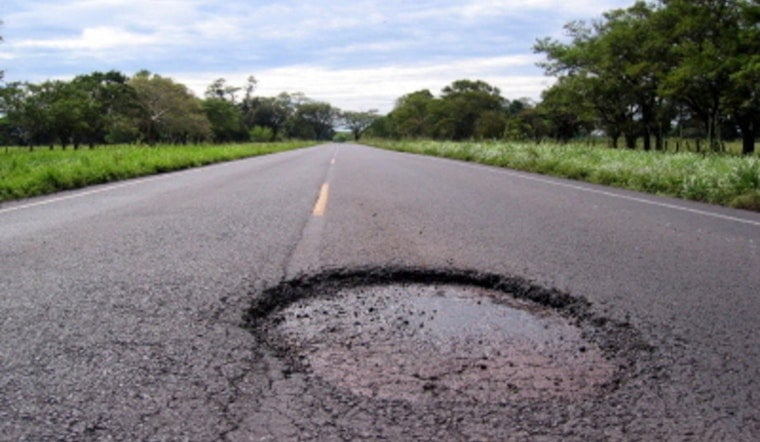
Sacramento drivers are starting their commutes with a familiar obstacle course, weaving around axle-busting potholes and creeping over tired-looking bridge decks that seem like they should have been fixed a long time ago. The wear and tear stretches from beat-up neighborhood streets to aging river crossings, bringing daily slowdowns and surprise mechanic bills. New reporting and regional data suggest the problem is not just a nuisance, it is a hard warning signal from an underfunded system that is falling behind fast.
Residents say they are ready for fixes. In a recent poll of the six-county Capital Region, Valley Vision found that 73% of respondents ranked repairing and investing in existing transportation infrastructure as very or extremely important. Zoom out to the state level and the Reason Foundation 29th Annual Highway Report puts California near the bottom for pavement condition and cost effectiveness, a ranking that lines up uncomfortably well with what Sacramento drivers see from behind the wheel.
Local roads and bridges: how bad is it?
According to national transportation research group TRIP, inspectors have flagged nearly half of Sacramento-area roadways as being in poor condition. The same analysis identified 55 bridges in the region as structurally deficient, which means engineers have documented significant deterioration on those spans. When that kind of wear piles up, it can trigger weight limits on vehicles or, in the worst cases, outright closures if repairs keep getting pushed off.
Why repairs are getting harder
Repairing roads and bridges now costs far more than it did just a few years back. Analysts point to federal cost indices that show a steep run-up in construction prices that has eaten away at the buying power of available funds, according to The Pew Charitable Trusts. At the same time, traditional fuel-tax revenue that once helped bankroll routine maintenance is softening as cars and trucks sip less gas and more drivers plug in electric vehicles instead of filling up.
State officials are not ignoring the problem, but they acknowledge there is a gap between need and funding. The California Transportation Commission has approved a multiyear State Highway Operation and Protection Program, and the administration has announced nearly $900 million in targeted transportation investments. Even so, leaders say those moves still leave a hefty backlog of local needs. For more on the statewide allocations, see the Office of Governor Gavin Newsom.
Local projects stuck in a funding squeeze
TRIP’s review of Sacramento’s biggest transportation priorities tagged many of the region’s most-needed projects with red or yellow funding status, a sign that full financing is not yet in place. That reality forces regional planners to narrow their focus to a short list of corridor and bridge fixes while other needs wait in line.
A recent local report cited polling that found 86% of Sacramento residents are worried about potholes and road deterioration, and CBS Sacramento reported that TRIP’s Rocky Moretti told reporters construction prices had climbed roughly 48% over a recent three-year period. With costs jumping that fast, officials say every maintenance dollar has to stretch further, which means more patchwork and fewer sweeping overhauls unless new state or federal relief shows up. Without it, progress is likely to remain piecemeal rather than comprehensive.
What drivers can do now
For now, one of the few tools drivers have is their phone or laptop. If you smack into a pothole or spot possible bridge damage, reporting it helps agencies decide what to fix first. Sacramento County lists roadway maintenance reporting options, and the city takes 311 requests for street repairs on local roads. On state highways, the Caltrans QuickMap site shows planned work and real-time lane closures, which can help drivers dodge active repair zones. Officials say centralized reports help crews zero in on the worst pavement and the bridges most at risk of weight limits or partial shutdowns.
Long term, bringing Sacramento’s streets and bridges back into shape will take more money, tougher spending choices and time. In the near term, residents should brace for more short-term pothole patches, targeted bridge work and the occasional lane restriction as transportation agencies try to keep the system safe while wrestling with higher prices and limited budgets.





