

























































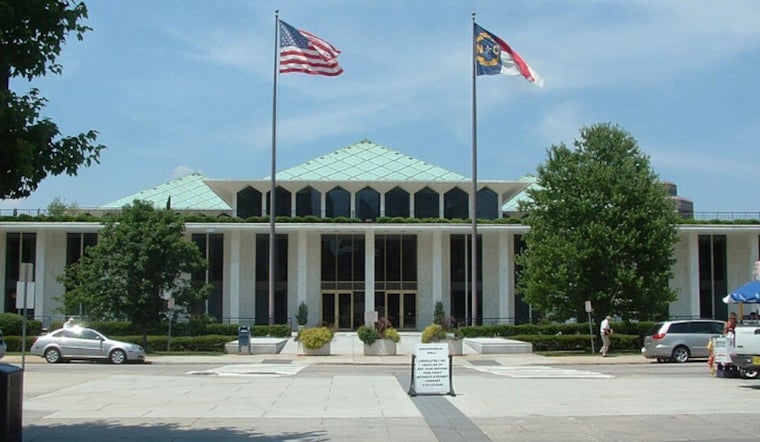
State senators in Raleigh have dropped a sweeping human‑trafficking omnibus bill that slips in a new tax on pornographic or other “prurient” materials, instantly triggering a wave of clashing headlines over just how steep the new levy would be. By the time the Senate Judiciary Committee took up the measure this week, lawmakers and advocates were already pressing for clarity. The panel heard the bill but did not take a vote.
What the bill actually says
The draft, filed April 30 as Senate Bill 1007, creates a “Harmful Materials Tax” that, as written, would impose a 10% excise on gross receipts from sales of material deemed “harmful to minors” at physical retail locations. The proposal requires registration and quarterly returns, with 50% of net proceeds directed to the Administrative Office of the Courts for the North Carolina Human Trafficking Commission and the remainder going to the Domestic Violence Center Fund. The tax provision is scheduled to take effect Oct. 1, 2026.
How the 50% story took off
Some coverage ran with headlines saying the measure would slap a 50% excise tax on pornography, even as the filed language spelled out a different number. During the committee hearing, lawmakers zeroed in on what would actually qualify as “obscene” and who would make that call. Senate Democratic Leader Sydney Batch warned that the wording was too vague and pressed on whether R‑rated TV shows or films might be swept in, while sponsor Sen. Ted Alexander responded that the tax would target material meeting the legal obscenity test, as reported by The News & Observer. The committee left the bill on the table and is expected to take it up again this week.
Who would actually get taxed
Despite the more dramatic headlines, the bill language zeros in on brick‑and‑mortar “harmful materials vendors” that sell qualifying visual material. It does not, on its face, slap an across‑the‑board percentage on every online creator or platform. Industry coverage notes that the 10% levy could reach any retailer that stocks the content, not only adults‑only shops, according to reporting from XBIZ. The proposal arrives on the heels of a broader wave of state efforts, including age‑verification mandates, that have already reshaped where and how adult material is sold or hosted.
Constitutional red flags and copycat efforts
Because the tax singles out specific expressive content, First Amendment questions surfaced almost immediately. Free‑speech lawyers warn that content‑specific taxes are likely to draw legal challenges. National reporting and legal analysts point to Alabama’s earlier 10% tax and similar efforts in Utah and other states as potential test cases, with critics and scholars highlighting those constitutional concerns in coverage by WIRED.
What happens next
The Senate Judiciary Committee declined to vote at Tuesday’s hearing, and sponsors say any revenue would be routed to anti‑trafficking work and survivor services. Lawmakers signaled they want tighter definitions and clearer administrative rules before moving to a final vote. The bill text and current status are available from the North Carolina General Assembly, and The News & Observer has full hearing coverage.





