

























































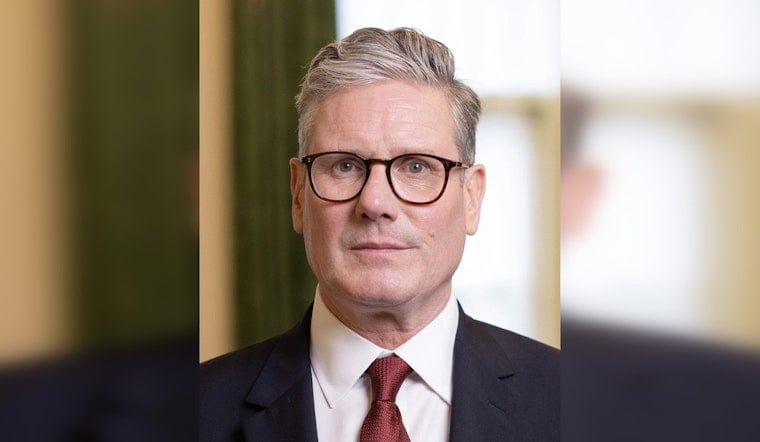
Keir Starmer is on his way out of Downing Street, but not in a rush. The Labour leader announced Monday that he will resign as party chief and will leave the prime minister's job only after Labour selects a successor, staying at No. 10 as a caretaker in the meantime. The move follows days of intense internal pressure and a headline-grabbing by-election that returned Andy Burnham to Westminster. Starmer led Labour to a landslide in July 2024 but has faced persistent criticism over sluggish economic growth and stretched public services.
According to AP, Starmer addressed cameras outside 10 Downing Street and said he had "heard the answer" from his parliamentary party. He has asked Labour's National Executive Committee to set a timetable for a leadership contest. AP reports he will "remain in post as prime minister until the contest is complete" and has pledged to ensure an orderly handover. The statement instantly shifted the political conversation to how fast Labour can crown a new leader and what, if anything, a caretaker government can realistically do in the meantime.
Burnham's Win Forced A Reckoning
Andy Burnham's emphatic victory in the Makerfield by-election last week brought the popular mayor back to Parliament and gave him a launchpad for a potential leadership bid, according to The Washington Post. The result quickly altered the internal mood inside Labour and persuaded many MPs that changing leaders now looked like the most plausible way to blunt Reform UK's momentum.
Why Labour Turned
Persistent policy shortfalls, from sluggish growth to long NHS waiting lists, combined with a cascade of ministerial departures, deepened doubts about Starmer's ability to deliver, as detailed by The Guardian. Internal critics highlighted missteps, controversial appointments and abrupt policy U-turns that they said undercut his claim to steady stewardship. Once Burnham's by-election win reset expectations, many Labour MPs concluded that an orderly handover at the top was the least risky way to protect the party's electoral prospects.
Potential Successors
Two names are already dominating the Westminster gossip mill: Andy Burnham and former health secretary Wes Streeting. Streeting has said he would run if there is a contest, according to The Washington Post. Party rules require a substantial threshold of nominations, but Burnham's profile and fresh mandate give him real momentum if he decides to press his advantage.
What Comes Next
Sky News's live coverage has set out the immediate mechanics of the handover. Starmer has asked Labour to agree a timetable that would allow the leadership change to be completed before Parliament's summer recess, with an accelerated summer calendar under discussion. Sky also reported that markets were tracking the political uncertainty closely, with bond yields nudging higher last week as investors weighed possible shifts in fiscal policy.
Until a successor is chosen, Starmer will remain in place as caretaker prime minister, handling day-to-day government business while Labour runs its internal contest. The next few days will reveal whether the party can pull off a clean transition or slide into a drawn-out leadership scrap that leaves government business and international commitments in limbo. Members, MPs and markets alike will be watching closely as the timetable for the summer contest is hammered out.



