

























































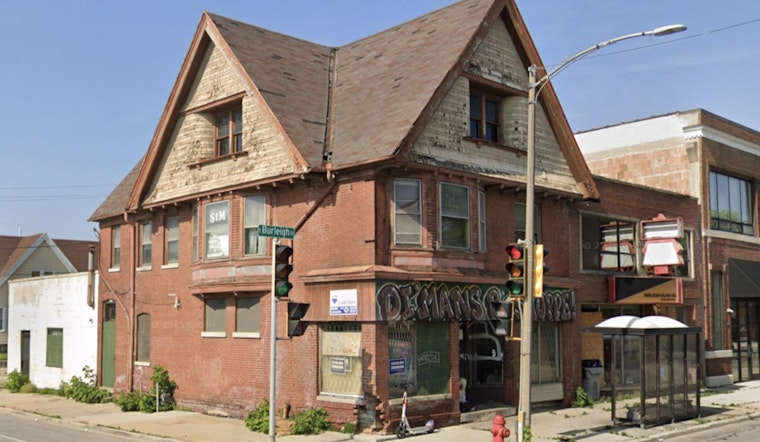
After years of complaints, unpaid tax bills, and boarded-up windows, Milwaukee officials say a notorious cluster of long-idle Riverwest properties is finally headed for demolition if the owners do not step up. Neighbors and local nonprofits have been calling the buildings hazards for years, and city leaders are now signaling that the wrecking ball is on deck.
The worst offender is a shuttered corner storefront at Holton and Burleigh. Inspectors with the Department of Neighborhood Services found the building to be “dangerous, unsafe, unsanitary, unfit for human habitation and unreasonable to repair,” then gave the owner 20 days to remove it. City records and reporting show the owner has run up hundreds of thousands of dollars in unpaid property taxes, and Mayor Cavalier Johnson has directed DNS to start foreclosure steps that would allow the city to take the property and demolish the structure, according to TMJ4.
The broader push to start clearing these long-neglected Riverwest sites was first reported by watchdog outlet Urban Milwaukee, which noted that the move follows years of neighbor complaints and mounting debts tied to the properties. The decision is framed as part of a wider, slow-grind effort to get a handle on blight across Milwaukee neighborhoods.
Why the City Waited So Long
Some of the parcels caught in this limbo sit on Milwaukee’s brownfield “Do Not Acquire” list because of suspected contamination. That status makes tax foreclosure and cleanup both expensive and risky for taxpayers, and it has often kept officials from seizing problem sites even when everyone agrees they are an eyesore.
A Milwaukee Common Council file explains that properties suspected of environmental contamination can be excluded from the city’s standard tax-foreclosure process because of potential cleanup liability. That policy may protect the city’s balance sheet, but it has also complicated efforts to clear some of the most stubborn blighted lots.
For people living and working nearby, the delay has been painful. “It’s like a cancer to the neighborhood,” Riverwest revitalization advocate Mario Costantini told TMJ4. Staff at the STRONG youth center next door described finding needles, broken glass, and even spent shell casings on or near the lot as they walk kids into the building, according to the station.
What Happens Next
Under city rules, property owners still have the right to appeal any raze orders. In the meantime, the Department of Neighborhood Services says internal discussions across city departments will determine whether Milwaukee assigns a tax-foreclosure judgment to a private developer, clears the site itself, or pursues some other route.
Officials caution that the process could stretch on for months as environmental risks are evaluated and cleanup money is lined up. The reporting that first flagged the plan notes that the city is likely to move carefully as it sorts through its options, according to Urban Milwaukee.
For Riverwest residents and for STRONG, the hope is straightforward: a cleaned-up lot that can be turned into safe community space, new housing, or an expansion site for the youth program. City officials say they expect to outline the next steps once the appeal window closes and internal reviews are finished.





