

























































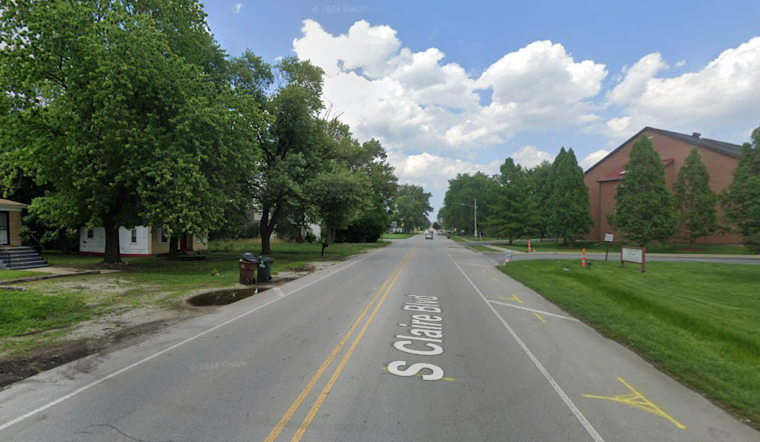
Delean Fuller, a 68-year-old homeowner in Robbins, is in a tense fight to hang on to the small bungalow she has lived in for years as an eviction and delinquent-tax dispute moves through county court. The case, which centers on a private tax buyer and a petition to take the deed, has earned Fuller a brief pause on eviction while she scrambles for legal help. Her situation has quickly become a local cautionary tale about how Cook County’s tax-sale system can put longtime owners on the brink of losing the equity they spent decades building.
According to the Chicago Tribune, Fuller said she did not learn that her 2020 property tax bill had been sold until October 2025, after Gross & Duquesne bought the delinquent certificate for roughly $5,200. The Tribune reports that her 2020 tax bill was about $3,800, that her house is about 1,056 square feet, and that a tenant was forced to leave in 2024 as the eviction timeline sped up. Fuller told the paper she felt “invisible” in the courtroom and that, as a minimum-wage caregiver, she has struggled to afford lawyers.
Federal Court Ruling Ups The Ante
A broader legal battle over Cook County’s tax-sale practices has raised the stakes for owners like Fuller. As reported by the Chicago Sun-Times, a federal judge found that the system could violate the Constitution and certified a class of affected homeowners, exposing the county to potential liability in the millions of dollars for lost equity. That federal case is one key reason state lawmakers and county officials are now racing to rethink how tax delinquencies are handled.
Lawmakers Float A New Playbook
In Springfield, legislators have rolled out bills that would phase out private tax buyers and instead send delinquent properties through court-run auctions so that any surplus equity goes back to homeowners rather than investors. Reporting by WBEZ explains that the drafts would give owners roughly three years to redeem before a judicial auction, change how interest is calculated, and add new safeguards aimed at protecting equity. County officials say the goal is to cut down on the number of people who lose their homes over relatively small tax debts.
Fuller Wins A 30-Day Stay
In Fuller’s case, Cook County Judge Martha-Victoria Jimenez granted a final 30-day stay so she can try to obtain a lawyer, the Tribune reports. That short reprieve follows a petition filed by the tax buyer in March 2025 to obtain the deed if redemption did not occur. For Fuller and other owners, the pause is temporary, and the combination of a tight legal timeline and the cost of counsel remains the core obstacle to hanging on to a home.
Ripple Effects For Neighbors On The Edge
Even with state-level fixes on the table and a federal ruling in play, the path to real relief is anything but simple. Statutes give property owners a limited redemption window, tax-buyer petitions can move quickly once a deed is requested, and county indemnity funds that might reimburse owners have been chronically under-resourced. Court filings and reporting show that the process can leave families without their homes and with only a sliver of the equity they built, even as the courts and the Legislature try to figure out how to repair the system. For homeowners on the front lines, access to competent counsel and short-term stays are often the deciding factors between staying put and getting locked out.
Fuller’s case is being closely watched by neighbors and housing advocates as lawmakers argue over longer-term reforms. For now, she has one month to line up legal representation while a larger fight over equity, tax policy, and investor practices plays out in the courts and at the Statehouse.





