

























































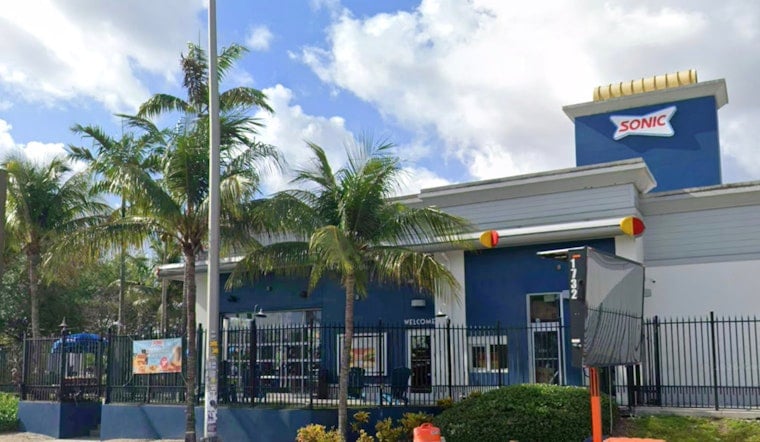
On the same day Miami hosted a World Cup match, state inspectors temporarily shut down the Sonic Drive‑In across from Hard Rock Stadium at 2699 NW 199th St. after a complaint-driven visit turned up 31 violations, including dozens of rodent droppings. The restaurant passed a reinspection and was cleared to reopen the following morning, but not before inspectors flagged sanitation and refrigeration issues that regulators say can pose an immediate risk to public health.
What inspectors documented
Inspectors counted 31 rodent droppings in several areas of the restaurant, including two inside a sugar box under a tea dispenser, 10 on top of boxes of syrups and to‑go items, and 10 more in a cabinet under a prep table. The inspection report also notes that the “Bathroom facility not clean” and that “objectionable odors” were present in the kitchen and mop‑sink areas. Those findings were reported by the Miami Herald.
How the state enforces closures
The Division of Hotels and Restaurants, the state agency that licenses and inspects food service establishments, can issue emergency closures when conditions are found to present an immediate threat to public health, and it requires a follow‑up inspection before a business can reopen. Inspectors conduct callback visits to confirm that high‑priority violations have been corrected and only allow an establishment to resume operations after those issues are fixed. The agency explains the emergency‑closure and reinspection process on its inspections pages, which are maintained by the Division of Hotels and Restaurants.
Other violations that triggered the shutdown
In addition to the rodent droppings, the inspector cited leaking water lines, standing water in parts of the kitchen, soiled ceiling tiles and vents, and a reach‑in cooler with an ambient temperature of 47°F. Shredded lettuce held at that temperature was placed on Stop Sale and discarded. The report also noted single‑service items stored beneath leaking lines and a box containing old food debris, conditions that can attract pests and increase the risk of contamination. According to the Miami Herald, a review of the inspection notes indicates that the combination of pest activity, plumbing problems and temperature abuse led to the temporary closure.
Not an isolated problem
Public inspection listings show that this Sonic location has previously received repeat citations for standing water, soiled surfaces and similar sanitation issues, suggesting the problems have been recurring. Aggregated records compiled by inspection trackers document a series of past visits and repeat violations that regulators monitor within the state enforcement system. That history matches reporting that the most recent shutdown began with a customer complaint, according to DirtyFL.
How readers can check inspection records
Florida makes restaurant inspection data available to the public, and customers can search the Division of Hotels and Restaurants database for inspection reports, emergency closures and follow‑up visits. The state provides weekly extracts for emergency closures, along with an online inspection search that lets users look up a facility’s recent inspections and violation details. Official inspection records and related downloads are posted on the Division’s public‑records page under Restaurants/Food Service.





