

























































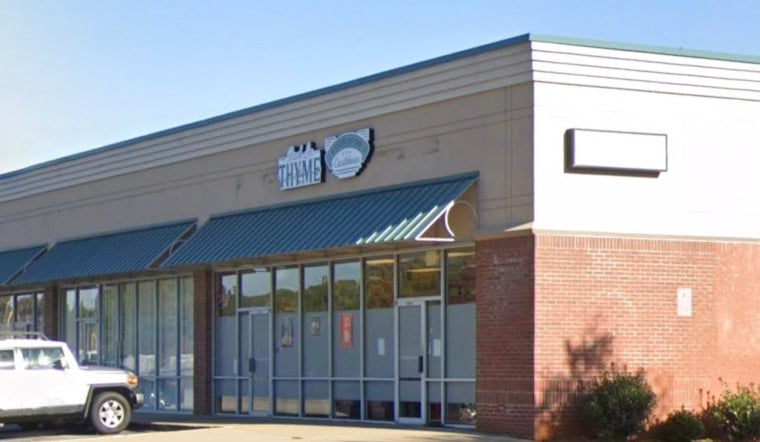
A routine Gwinnett County health inspection on Friday hit Thyme, a Caribbean restaurant in Lawrenceville, with an unsatisfactory 52U score after inspectors logged a string of food-safety problems. The visit turned up rotten produce, issues with thawing and reheating food, and missing handwashing supplies. The person in charge did make several on-the-spot fixes while inspectors were in the kitchen.
What inspectors found
According to the Gwinnett County Health Department, the June 26 visit flagged rotten and moldy onions in the walk-in cooler, multiple time-and-temperature control (TCS) violations, including TCS foods being reheated in a hot-holding unit without reaching 165°F, eggrolls cooling at room temperature, and chicken thawing improperly in standing water. Inspectors noted that the person in charge discarded the spoiled onions, moved items off the floor, and turned on running cold water to correct thawing practices during the inspection.
On-site fixes and follow-up
As reported by WhatNow, inspectors also found no paper towels at the kitchen handwashing sink and no bleach or cleaner dedicated for vomit or diarrheal cleanup. The person in charge bought bleach and replaced the posted inspection report while inspectors were still on site. WhatNow notes that a follow-up reinspection is scheduled for July 6 to verify compliance, with additional routine inspections planned within one year.
Why the violations matter
Time-and-temperature lapses are among the most common drivers of foodborne illness. The model food code requires reheating previously cooked TCS foods to 165°F for at least 15 seconds and uses a two-stage cooling schedule, from 135°F to 70°F within two hours, then down to 41°F within four more hours, to limit bacterial growth. These federal standards form the basis for local enforcement and explain why reheating and cooling mistakes are treated as high-risk violations.
What to watch next
The inspection record shows the person in charge received training during the visit and must correct all documented violations before the reinspection. If problems persist, the health department can pursue further enforcement under county rules. Thyme appears in the City of Lawrenceville permit records, and the Gwinnett inspection portal is set to post the July 6 follow-up results once the reinspection is complete.





