

























































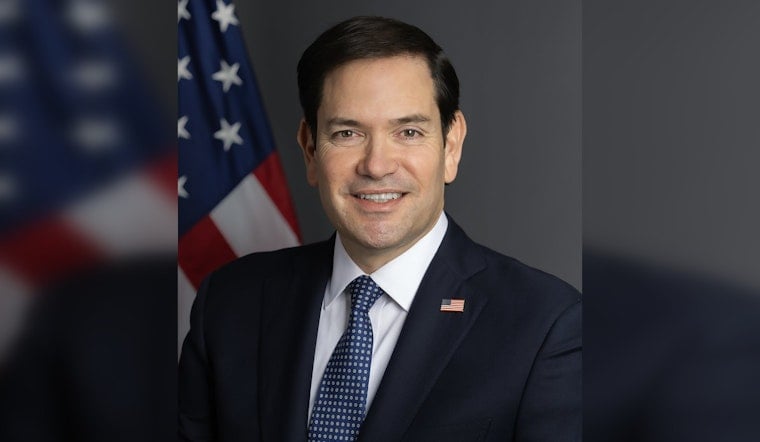
Secretary of State Marco Rubio on Tuesday rolled out fresh U.S. sanctions that go straight for the heart of Cuba’s cash machine, hitting two state-run mining companies and three businesses tied to GAESA, the powerful military conglomerate that props up much of Havana’s commercial life. The move lands just as Cuba touts sweeping market reforms and as the White House leans on new executive authorities to block revenue for regime insiders. For Miami, long the nerve center for Cuba travel, business and family ties, the announcement raises the economic and legal temperature for anyone with money or contracts touching the island.
Who Was Designated
Rubio’s announcement put Geominera S.A. and Empresa Siderúrgica José Martí, also known as Antillana de Acero, on Washington’s sanctions list, along with three GAESA-linked firms: Almacenes Universales S.A., Rafin S.A. and Banco Financiero Internacional S.A. The action also personally targeted Annalie Lilliam Rueda Cardero, a daughter-in-law of former president Raúl Castro. U.S. officials say the measures are meant to cut off revenue streams that, in Washington’s view, help finance repression and the Cuban military. The designations and their targets are detailed in reporting by the Miami Herald, while the broader rollout has also been covered by the AP.
How the U.S. Is Doing It
The sanctions rely on Executive Order 14404, signed May 1, 2026, which widens Cuba-related sanctions authority to cover energy, defense, metals and mining, financial services and security. It authorizes full blocking measures and potential secondary sanctions on foreign actors that materially support designated entities, turning up the pressure not only on Havana but also on its partners abroad.
OFAC has issued guidance that flags higher risk for non-U.S. banks and companies, while allowing limited wind-down activity in some situations, according to OFAC. Attorneys at Greenberg Traurig have analyzed the new executive order, underscoring how it opens the door to more aggressive enforcement.
GAESA's Reach and Finances
GAESA, the sprawling military business empire repeatedly targeted by Washington, is estimated to control about 40% of Cuba’s economy. Internal GAESA documents reviewed by the Miami Herald showed roughly $18 billion in assets and about $14 billion in deposits as of March 2024. The AP has cited around $14.5 billion in liquid reserves in early 2024, numbers U.S. officials point to as evidence that GAESA funnels money to regime elites instead of basic public needs. Those balances help explain why policymakers are so intent on slicing through the conglomerate’s financial lifelines.
Mining Partner Caught in the Crossfire
One of the first casualties of the new listings is Minera La Victoria S.A., a 50-50 mining joint venture between Cuba and Australia’s Antilles Gold. In a June investor notice, Antilles Gold said OFAC designated the joint venture on June 4, prompting the company to halt direct involvement in management and funding while it sorts through compliance and legal options. The company outlined its position in an Antilles Gold market filing.
Local And Economic Fallout
Sanctions lawyers and academics say the measures are likely to chill foreign investment, scramble business plans and snarl supply chains that rely on state-owned storage and logistics operations. If shipping and logistics companies decide Cuban storage entities are too risky, the result could be delayed or blocked deliveries of everyday goods.
“If people or companies avoid doing business with the storage entities, that could disrupt the flow of goods and lead to humanitarian consequences,” University of Miami scholar Michael Bustamante told the AP. For Miami families that rely on remittances and shipments back home, any slowdown will be felt quickly.
Legal and Business Risks
Executive Order 14404 lets OFAC and the State Department target foreign persons who “operate or have operated” in the covered sectors, a phrase broad enough to keep compliance officers up at night. That language creates serious exposure for banks, insurers and commercial partners that have touched Cuba-related business, even indirectly.
The latest OFAC guidance, available through OFAC, signals that foreign financial institutions may have to make tough calls on correspondent accounts, trade finance and insurance connected to Cuba. Separate analysis from law firm Greenberg Traurig lays out how the new authority raises the odds that non-U.S. banks and companies will back away rather than risk being swept into secondary sanctions.
In the near term, expect a flurry of license applications, reconsideration requests and corporate restructurings as affected firms scramble to reduce or repackage their Cuba exposure. Havana has publicly rejected the U.S. moves, and every additional designation will be monitored closely by companies with contracts, banking relationships or future investment plans tied to the island, especially those watching from Miami’s front-row seat.





(2).jpg)