

























































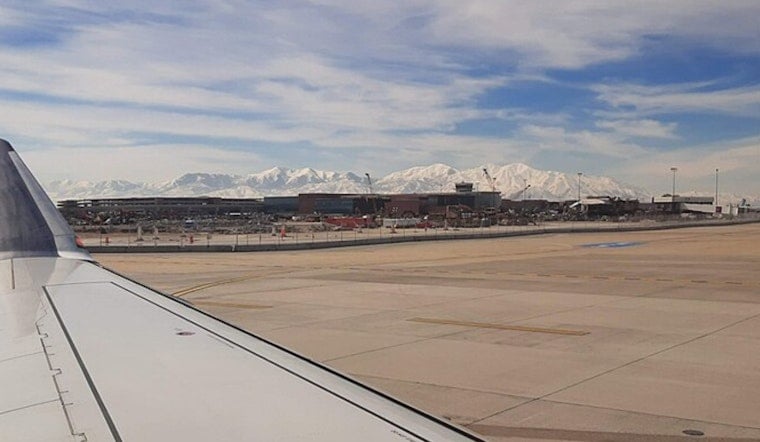
After nearly nine decades of service, one of Salt Lake City International Airport’s quietest workhorses has taken its last landing. On Monday, June 15, the airport officially retired Runway 14/32, closing a little‑used east–west strip that had been part of the airfield for almost 89 years. The move has been in the works for years as part of the airport’s sweeping terminal rebuild and is designed to simplify taxi routes and reduce the risk of runway incursions. Airport officials say commercial flights will keep using the three longer parallel runways that handle scheduled airline traffic.
In a post on X, the Salt Lake City Department of Airports confirmed the runway’s retirement, saying the change “improves airfield safety by eliminating operational hotspots” and noting that the strip was first commissioned in 1937, serving the field for nearly 89 years. The post also pointed out that the runway had seen very little use in recent years and was not suited for commercial airline operations.
Why planners closed Runway 14/32
Airport planning documents show that Runway 14/32 had long been a concern because two FAA‑designated hot spots and awkward geometry created recurring runway‑incursion risks, according to Salt Lake City International Airport. The runway accounted for only about 1 percent of operations and was listed as a decommission project in the FAA’s Q1 2026 construction outlook, which lays out airfield work scheduled across the coming year.
What the decommissioning will do
Procurement notices describe milling and removing the existing runway pavement, backfilling and seeding some areas, and installing new taxiway markings and lighting. A remaining stretch between Taxiways P and Q is slated to become a taxiway or ramp, according to project postings. Those details appear in public bid listings and in the city’s capital planning documents, according to Utah Bid Network.
What travelers and pilots should expect
For most passengers, this is the kind of change you never notice. SLC will continue to operate Runways 16L/34R, 16R/34L, and 17/35 for airline traffic, according to the airport overview. The FAA says it sequences projects like this to limit capacity impacts and keep disruptions to a minimum during peak operations.
A short runway with a long history
Runway 14/32 measured roughly 4,900 feet and mainly handled general‑aviation and smaller business aircraft, not the heavier long‑haul jets that rely on the longer parallels as per Airport Guide. Its retirement is being treated as one of the final airfield tweaks tied to The New SLC redevelopment, a roughly $5.1 billion, multi‑phase rebuild that began in 2014 and runs through 2026, according to Business Traveller.
The airport says the work will be staged to avoid interruptions to scheduled service, and officials plan to post updates and construction notices on the airport’s project pages. The department’s announcement on X includes the initial details for anyone who wants to dig into the fine print.





