

























































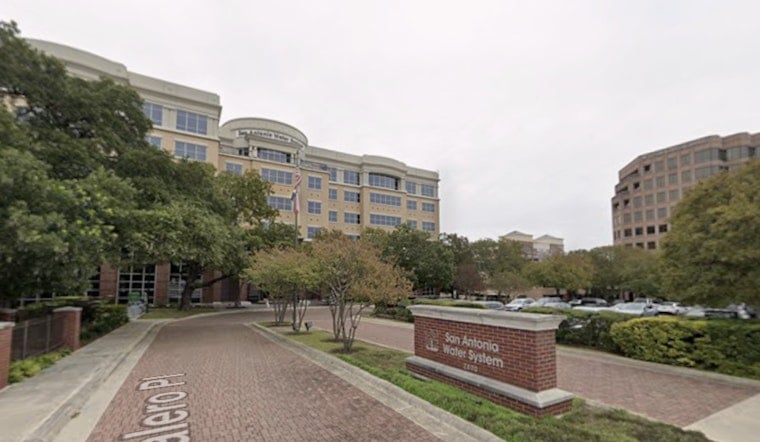
A mine-hunting gadget once honed on battlefields is about to start cruising past San Antonio’s front yards, this time in the name of public health. The San Antonio Water System is rolling out hand-pushed, cart-mounted metal sensors that build 3-D maps of buried pipes and can tell ferrous from nonferrous metals, helping crews zero in on potential lead service lines without tearing up every lawn on the block.
The utility has signed off on roughly $4.5 million for the equipment and the analysts who read the data. In an early pilot run, the tech has already led SAWS crews to remove dozens of galvanized lines, though it has not yet turned up any confirmed lead service lines.
The push is part of SAWS’ effort to comply with federal rules that require every water system to identify and publicly list any lead service lines. As San Antonio Report noted, the SAWS board approved a contract with White River Technologies at its June 2 meeting. The work ties into the EPA Lead and Copper Rule Revisions, which require detailed service line inventories and offer guidance and funding paths to help utilities get the job done.
The devices themselves are advanced electromagnetic-induction sensors originally developed for munitions and unexploded-ordnance searches and cleared for Department of Defense classification projects, according to technical abstracts. Conference materials describing White River’s APEX-class systems highlight their role in dynamic geophysical classification and UXO cleanup, showing high-resolution digital maps that make it easier to distinguish real targets from background clutter.
According to SAWS Project Lead materials, the vendor made minor software tweaks so the units can help field crews tell iron and steel from copper or lead. The sensors do not spit out automatic identifications; instead, analysts review the data and interpret what is underground before anyone starts digging.
“We have not found any lead. We are excited about that,” Kirstin Eller, SAWS’ potable water quality supervisor, told the San Antonio Report. She said SAWS has removed roughly 80 galvanized service lines so far. Those lines do not contain lead themselves but can pull dissolved lead out of water that has passed through older plumbing and later release it into household pipes. If the history of a service line leaves any doubt about past lead exposure, officials say SAWS will move ahead with replacement or other mitigation.
SAWS plans to roll the program out neighborhood by neighborhood, starting with homes built before 1989 and properties where the service-line material is unknown. On its Project Lead page, the utility offers an interactive inventory map and an interest form where customers can request an inspection or upload documents that clarify what kind of pipe serves their property. While customers are generally on the hook for the cost of replacing service lines they own, SAWS says it is looking at assistance options to ease the burden for low-income households.
Regulatory context
The EPA’s Lead and Copper Rule Revisions tightened testing, inventory and transparency rules for water systems, setting deadlines for initial service-line inventories and public reporting. That has turned the hunt for lead lines into a regulatory clock that is very much ticking. The revisions also connect water systems to federal funding sources aimed at replacing lead service lines, which makes quicker, noninvasive detection methods even more attractive.
For a large system like SAWS, high-tech sensors that shrink the number of exploratory digs can trim costs and point limited replacement dollars to the riskiest spots first. If the San Antonio pilot continues to prove accurate at scale, the mine-hunting gear could let crews reserve disruptive excavation work for places where the threat is highest. Residents curious about their own service-line status can check SAWS’ online inventory or contact the utility for inspection options, as officials frame the effort as part of a broader push to cut lead exposure across the region while keeping neighborhood upheaval to a minimum.





