

























































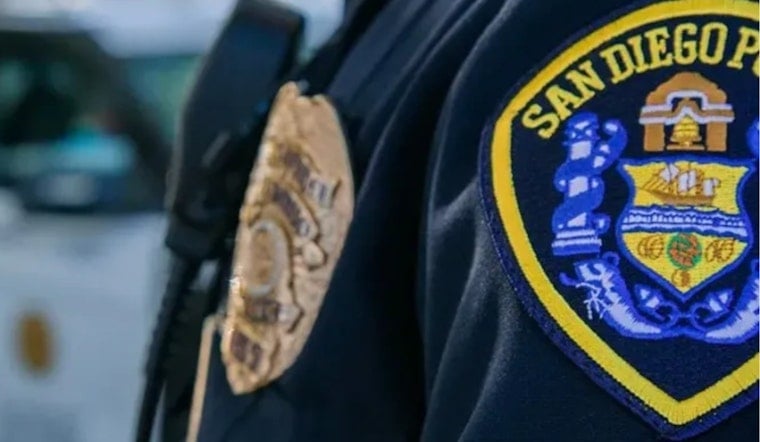
A San Diego advocacy group is hauling the police department into court, accusing officers of quietly dumping citizen misconduct complaints into a catchall “miscellaneous” pile that never makes it to civilian oversight. The legal move argues that the practice has sidelined a big share of complaints from the independent Commission on Police Practices and reopened old questions about whether Measure B’s promise of tougher oversight has really been delivered.
According to Times of San Diego, the writ of mandate was filed by Pillars of the Community and local advocate Tasha Williamson. They argue that the San Diego Police Department labeled nearly 80% of complaints as “miscellaneous” to keep them out of the commission’s hands. The petition asks a judge to order the city and SDPD to comply with Measure B and to stop withholding citizen complaints from civilian review.
Measure B, approved by nearly three-quarters of San Diego voters in November 2020, created an independent Commission on Police Practices with members appointed by the City Council and authority to investigate officer misconduct and recommend discipline. As the City of San Diego explains, the measure was intended to give the commission its own staff, legal counsel and subpoena power, although how fully that vision has been carried out remains a running fight.
The court filing lays out several examples it says were mislabeled, including three complaints Williamson submitted that accuse officers of using force and falsely detaining a group of minors at the Dolores M. Magdaleno Memorial Recreation Center in Logan Heights in January. Pillars of the Community, which joined Williamson in the case, says it has “multiple” other examples and is asking the court to block SDPD from keeping complaints away from the commission. The city declined to comment on the writ because the case is pending, according to the organization’s own site. Pillars of the Community is listed as a plaintiff in the petition.
Why advocates say this matters
Supporters of civilian oversight argue that if SDPD has in fact been routing most complaints into a miscellaneous category, that would gut the commission’s workload and leave residents without meaningful independent review. A recent report from the San Diego County Civil Grand Jury found the commission still lacked investigators, sufficient legal staff and reliable access to SDPD internal records, problems that have slowed its work. Local coverage has also highlighted commissioner resignations and a growing backlog that advocates say has made oversight feel more theoretical than real. Both the Grand Jury and KPBS have reported on those shortcomings.
Legal angle: what a writ can do
The petitioners are using an extraordinary tool known as a writ of mandate, a legal request asking a court to force a public agency to carry out a duty that the law clearly requires. California courts issue such writs under Code of Civil Procedure section 1085 when a government body has a definite, non-discretionary obligation and fails to perform it, typically only if there is no adequate alternative remedy available. The standard and procedures for these petitions are laid out in California law (CCP §1085), as summarized by Justia.
If the judge sides with the plaintiffs, the court could order the city and SDPD to change how they categorize complaints and to send previously withheld cases to the Commission on Police Practices, which is exactly what the petition asks for. That kind of ruling would almost certainly require new internal procedures and could speed up long-delayed steps to give the commission fuller access to police records and staff support.
For now, the lawsuit is yet another spotlight on the slow and rocky rollout of Measure B and the unresolved question of how police oversight in San Diego will function in practice. Community leaders say the case is aimed at restoring the commission’s ability to actually review complaints and rebuild trust. As KPBS previously reported, a former commissioner warned, “A Commission that does not have the full faith and trust of the community it represents cannot achieve the kind of meaningful transformation in public safety that we all deserve.”





