

























































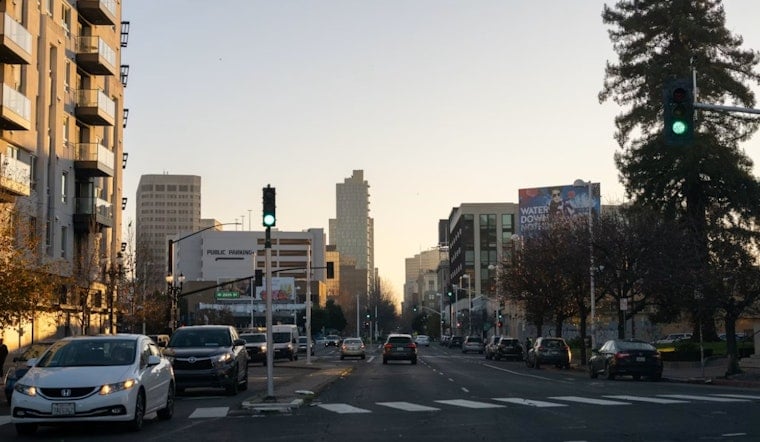
Downtown San Jose and Oakland are not collapsing, they are being remade in real time. Since the pandemic emptied out those big office floors, city officials, developers and designers have treated vacancy as an opportunity to rethink what a downtown is for, with more housing, parks and places to linger beyond the classic nine to five. The result looks less like a "doom loop" and more like a messy reinvention, with new housing projects, public space upgrades and arts and sports anchors quietly recalibrating the core.
Experts Say New Work Patterns Are Here To Stay
Remote and hybrid work have shifted demand away from large office blocks, creating what researchers describe as a "paradox" of very expensive land that is now underused. Tracy Hadden Loh, a fellow at the Brookings Institution who has written about underutilized downtown land, outlines office conversions and public space strategies as part of a downtown recovery playbook, according to Brookings. Those ideas are showing up in local planning debates as cities move from emergency response to long term redesign.
Design, Programming And Public Space Lead The Revival
Design research suggests the problem is not that people suddenly hate downtowns, it is that they lack reasons to stick around. Gensler's City Pulse 2026 report finds that most residents actually rate their downtowns highly but visit less often, and the firm argues that stickiness comes from lighting, seating, programming and safety. The report points to quick, design forward moves such as better lighting, more and better placed seating, small scale public events and protected bike lanes that can increase how long people stay and, in turn, strengthen independent shops, according to Gensler.
On The Ground In San Jose And Oakland
Local coverage shows how this plays out block by block. Office vacancies have piled up since the pandemic, yet anchors still do a lot of heavy lifting for downtown life. The Mercury News reports that San Jose's core continues to draw people with San Pedro Square, the Sharks, San Jose State and major employers like Adobe, even as weekday office crowds thin out.
In Oakland, lenders have stepped in to take control of big downtown office portfolios, including Deutsche Bank's tower grab, while new transit-oriented housing plans around Lake Merritt aim to bring more residents into the core, as local reporting and municipal project pages show.
Policy Choices Will Shape The Next Decade
Turning older offices into housing, or replacing them with buildings that fit the new downtown economy, is widely discussed as one practical response, but experts argue it will not happen at scale without policy support. SPUR calls for incentives, zoning changes and new downtown authorities to speed up office conversions while also protecting affordability.
Industry data that pushes vacancy in some downtown cores into the mid to high 20 percent range underscores why those tools matter. The Lake Merritt BART transit-oriented development described by the City of Oakland is one example of coordinated planning that puts housing and public space at the center.
"It's a very dynamic time, and it's been dynamic for the last couple hundred years," historian Mitchell Schwarzer told The Mercury News, a reminder that downtowns have a long history of being remade rather than simply abandoned. The open question now is whether city leaders can weave together design, policy and investment so that these downtowns work for the people who live in them and spend their lives there.



