

























































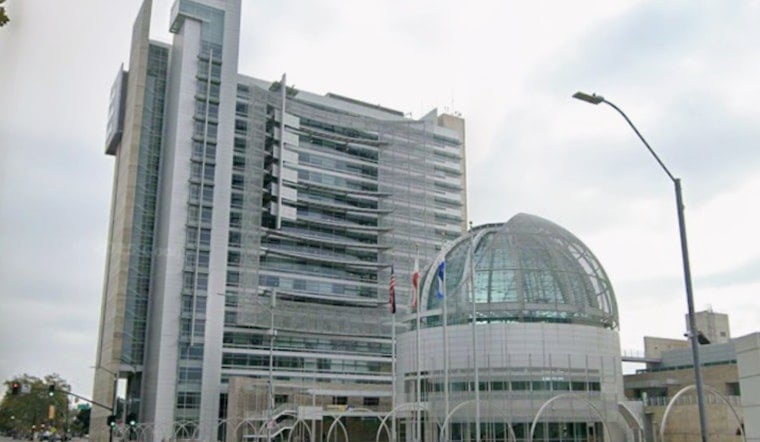
San Jose is putting a firm clock on how and when it will remove César Chávez’s name from city sites, rolling out a two-week sprint of community meetings that kick off this month and a longer public process that could wrap with a new name in place by the end of 2026. City staff say the effort will include an intake for fresh name ideas, a ranked-choice survey this summer, and a series of commission and council reviews before anything becomes official.
Officials Lay Out the Public Process
City staff plan to host a listening session on June 15 at the Center for Employment Training, an East Side session on June 17 at the Mayfair Community Center, and a citywide public meeting on June 24 at the Leininger Community Center, where a community survey will debut, as reported by The Mercury News. The outreach window is scheduled to feature a ranked-choice ballot of pre-vetted renaming options between July and August, alongside an open call where anyone can submit new name suggestions.
According to staff, survey results and comments gathered at the meetings will feed into a formal report for the Parks and Recreation Commission in September, with the City Council expected to take up the renaming proposal in the fall. Officials say the entire process is designed to be trauma-informed and to center farmworker and Latino communities most directly affected by the name change.
What the City Has Already Changed
While the listening sessions ramp up, some visible changes are already in place. City crews have covered Chávez’s name on the downtown Plaza de César Chávez stage and removed a commemorative plaque there, and staff have also covered or taken down banners and signs on the East Side, according to NBC Bay Area. The city has flagged public art at Backesto Park, Plata Arroyo Park, Biblioteca Latinoamericana, the Gardner Center, and the Mayfair Community Center for upcoming committee review.
Officials note that a small community tile at Mexican Heritage Plaza has been reviewed and requires no further action, per San José Spotlight. Remaining directional signs in the Mayfair neighborhood are scheduled to be swapped out in June as part of the same inventory sweep.
How Names Will Be Picked
The formal renaming process traces back to March, when the Rules and Open Government Committee ordered staff to compile a full inventory of city-owned assets that use Chávez’s name and to map out the legal and procedural steps required to change them, according to City of San José meeting materials. Staff say they are borrowing from existing naming rules, with extra emphasis on trauma-sensitive outreach and structured public input.
Under the timeline summarized by The Mercury News, the city will present a ranked-choice ballot of pre-vetted name options after the first round of community input, then fold survey results and comments into a report for the Parks and Recreation Commission. Only after that review will the City Council take a final vote on what replaces the Chávez branding.
Why the Move
The push to pull back Chávez’s public honors follows a The New York Times investigation that reported decades-long sexual abuse allegations, including accusations from fellow farmworker movement leader Dolores Huerta. In the wake of those reports, cities and institutions around California paused or reworked Chávez-linked events and tributes.
State lawmakers in Sacramento also moved to rename the March 31 state holiday, officially changing it to “Farmworkers Day,” as reported by AP News. Local officials say San Jose’s approach is meant to center survivors and highlight the broader farmworker movement rather than spotlighting a single figure.
How Residents Can Take Part
Residents who want a say in what replaces the Chávez name can show up in person at next week’s listening sessions or tune in to the June 24 public meeting and complete the online survey when it goes live. The city says schedules, language translations, and accessibility details will be posted on the City of San José website.
Translation and disability accommodation requests can be routed through the Office of the City Clerk. Staff emphasize that people who cannot attend in person will still be able to weigh in through the survey and future public comment periods. Officials expect to bring findings and formal recommendations back to city commissions and then the council over the summer and into the fall.



