

























































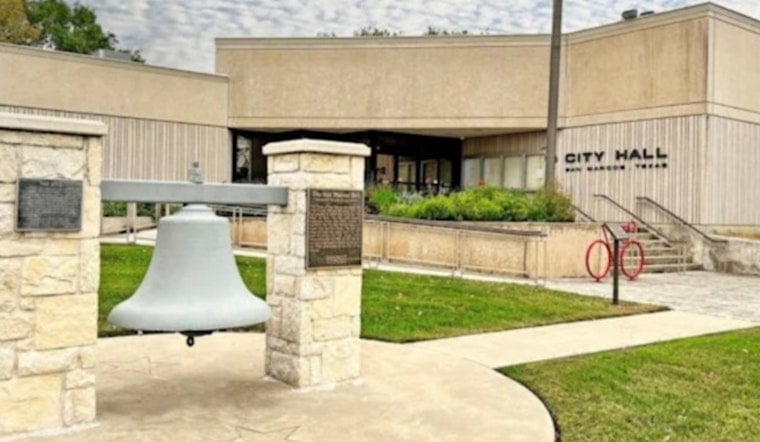
The San Marcos City Council has voted to prohibit data centers in every zoning district in town, effectively telling the industry there is no room at the inn inside city limits. The decision caps months of packed public meetings and tense debate over water use, power demand, and whether massive server campuses would actually deliver the jobs and revenue locals were promised.
Councilmember Lorenzo Gonzalez, who joined the majority, said he had initially been open to data-center development "because of the potential economic benefits," but residents' concerns ultimately shifted his stance, according to KSAT. Gonzalez told the outlet the vote "was not a rejection of economic development" and that any future projects would need to show clear benefits for people who already live in the city.
How the Ban Fits Into a Code Rewrite
The prohibition is tucked inside a broader Land Development Code update that city staff had already teed up for a second reading this week, according to city documents. Per the City of San Marcos, the rewrite adds language for newer development types and was scheduled on the council calendar for June 16, where the council voted to apply the new rules across the land-use matrix.
From a Rejected Mega Project to a Citywide Limit
The move follows a high-profile rejection earlier this year. In February, the council shot down a proposed $1.5 billion, nearly 200-acre data-center campus after hours of public testimony, local reporting shows. The San Marcos Record documented that vote and the city’s subsequent effort to tighten setbacks, water-use rules, and location criteria for data centers.
Statewide Pressure and Legal Questions
State officials are also circling the issue. Gov. Greg Abbott has directed energy regulators to study potential new data-center rules that would require developers to cover infrastructure costs, report water and power use, and reconsider certain tax breaks, as reported by Axios. Elsewhere, cities such as Monterey Park, California, have moved to ban data centers outright, a step that prompted developer threats of litigation and highlighted the legal uncertainty that can trail sweeping local bans, according to Monterey Park press materials.
What Comes Next for San Marcos
City staff says final meeting minutes and the revised code text will be posted in the coming days, giving residents and developers a chance to scrutinize the ordinance language and any exemptions. Utilities and water districts remain central to how any proposals play out. Hoodline reported earlier this month that the Crystal Clear Special Utility District tabled a proposed water-service agreement for a nearby campus, a signal that suppliers are weighing long-term commitments for large server projects and that county or utility approvals could determine whether any campus outside city limits can move forward, according to regional reporting.
Whatever lands on the city’s agenda next, Tuesday’s vote puts San Marcos squarely in the middle of a much larger Central Texas debate over how to balance industrial growth with drinking-water supplies, grid capacity, and neighborhood quality of life.



