

























































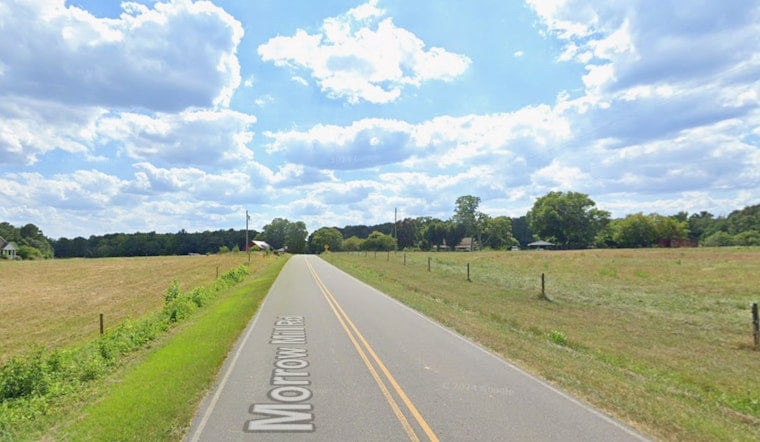
A quiet stretch of southern Alamance County is suddenly the front line in a fight over growth, groundwater and fire protection, as a wave of land deals and subdivision sketches hits the Saxapahaw area all at once. One especially large tract that just changed hands is now being floated as a 541-home project, and residents who packed a June meeting are pressing county leaders for zoning, testing and some basic guardrails. With wells, septic systems and PFAS already in the back of everyone’s mind, what might have been routine real estate transactions have turned into a countywide argument over how, or even whether, rural communities should grow.
Big Plans On Former Family Farmland
The 440-acre Morrow farm has been sold to an affiliate of Sasser Properties and is being presented in concept materials as the "Morrow Mill" subdivision with roughly 541 homes, according to reporting by The News & Observer. Neighbors say the land had been in the same family for generations and that the sheer scale of the early concept caught them off guard.
Another Developer Has A Nearby Plan
Right across the road, a separate idea called Hunter’s Ridge would stack several hundred more houses along Austin Quarter Road, according to local environmental and community groups watching both proposals. The Haw River Assembly has been tracking the two projects together and estimates they could total roughly 900 to 1,000 homes if both move ahead, a number that has fueled much of the local anxiety.
PFAS Test Results Sharpen Water Worries
Those well worries are sharpened by recent state testing that found extremely high PFAS levels in a well at the nearby Eli Whitney volunteer fire station earlier this year. Public data posted by Alamance County show cumulative PFAS concentrations in the thousands of parts per trillion, orders of magnitude above EPA guidance, and the county has outlined which private wells qualify for state-funded testing and treatment. For details on what the state is offering and how people are being notified, see information provided by Alamance County and station testing results from Alamance County.
Response Times And Well-Testing Obligations
Residents are just as worried about fire and rescue coverage as they are about their taps. Planning documents and local reporting note that the Eli Whitney volunteer station is more than eight miles from the Morrow Mill site, and the closest full-time fire station is several miles farther. County and state officials say developers will have to work with state water and wastewater regulators, and that wells serving new communities must be tested and treated if contaminants exceed safety limits, according to The News & Observer.
Why Zoning Is The Central Argument
The political fight has quickly zeroed in on the fact that Alamance County does not have a countywide zoning ordinance covering much of the rural land where these subdivisions are proposed. Local reporting and community analyses note that in areas without zoning, large subdivisions can be approved administratively through technical reviews instead of a public vote, a process neighbors say leaves them almost no formal way to push back. For a deeper explanation of how the local rules work and why residents are lobbying commissioners, see The Alamance Fabric.
Neighbors Are Organizing
People who live and farm along Morrow Mill Road insist they are not opposed to growth in principle, but they want slower timelines, clearer processes and firm guarantees on water safety, traffic and green space. Organizers and farmers filled a June 2 gathering at the Lloyd farm to urge commissioners to step in, telling reporters they were "baffled" by the size of what is on paper and calling for mandatory groundwater testing and tougher stormwater protections, per local coverage. The same community groups are circulating maps and resource lists to help neighbors figure out whether they qualify for state PFAS testing and to keep track of project timelines.
What Comes Next
For now, no final subdivision plat has been approved, and developers say they are still in the phase of meeting with state water, wastewater and transportation officials as they rework their concept plans. State agencies will review wells, septic systems and road upgrades, and county staff say technical committees, not the county commission, handle that portion of the permitting process for unzoned rural subdivisions. Residents can expect more community meetings, more paperwork and a series of regulatory steps in the coming months as engineers and state reviewers dig into well siting, stormwater design and traffic impacts.



