

























































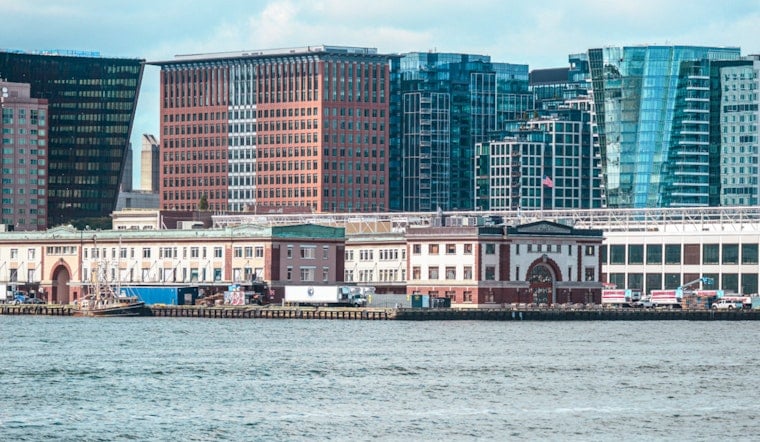
Federal regulators have put a longtime Boston waterfront player on notice, saying its Seaport facility was so insanitary that some frozen salmon may have been rendered unsafe to eat. In an April 15 warning letter, the U.S. Food and Drug Administration told Boston importer Stavis Seafoods it had serious failures in its seafood Hazard Analysis and Critical Control Point system and that certain frozen salmon fillets appeared adulterated. That letter, made public online, became the focus of local reporting this week.
What the FDA alleged
According to the Food and Drug Administration, a February inspection turned up "serious violations" of federal seafood HACCP rules and showed Stavis failed to carry out required importer verification steps. The agency wrote that the firm's frozen aquaculture salmon fillets are adulterated because they were "prepared, packed, or held under insanitary conditions whereby they may have been rendered injurious to health" which is never language you want anywhere near your dinner. Inspectors also cited an earlier inspection in June 2024 and asked Stavis to submit documentation showing how it plans to correct the problems.
How the story surfaced locally
The warning letter did not stay in regulatory circles for long. On June 3, the Boston Business Journal and NBC Boston picked up the story, turning bureaucratic prose into neighborhood news. That coverage noted that the company runs a dockside operation on the Boston Fish Pier in the Seaport neighborhood and summed up the FDA's concerns for local readers. As reported by NBC Boston, the notice has also raised questions about imported shipments tied to the firm.
Why it matters to buyers
Stavis is not some bit player. The company is a longtime New England seafood importer and waterfront fixture that supplies frozen and fresh product to restaurants, supermarkets and distributors across the region. Industry reporting describes Stavis as a Boston waterfront landmark dating back to 1929 and notes that it markets brands such as BOS'N and Boston Pride, making it a significant regional supplier, according to Refrigerated & Frozen Foods. When a company that visible gets flagged by the FDA, chefs, grocery buyers and diners all start paying closer attention.
Next steps and legal risks
The FDA has given Stavis a tight timeline to clean things up on paper and in practice. The agency directed the company to respond in writing within 15 working days, providing HACCP and importer verification records. It warned that if violations are not corrected, the consequences could include refusal of admission of products into the country, "detention without physical examination," seizure of product or even an injunction. The letter includes a CMS reference number and a direct compliance-officer contact for the firm's reply. According to the Food and Drug Administration, Stavis must spell out specific corrections or risk further enforcement action.





