

























































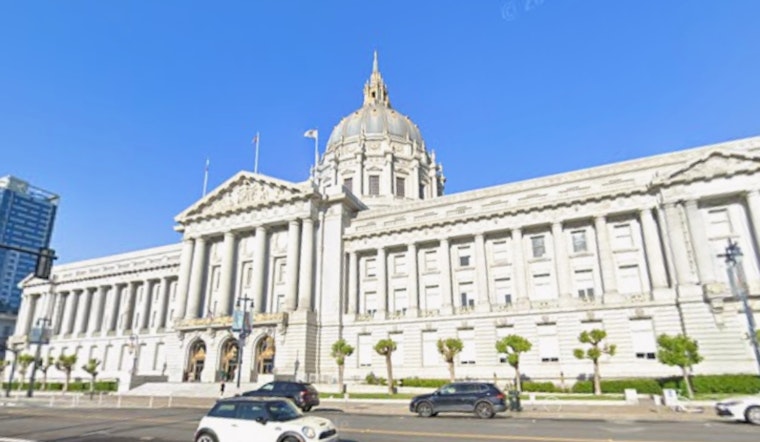
Mayor Daniel Lurie and Supervisor Bilal Mahmood are tapping the brakes on their plan to cut San Francisco's transfer tax on multimillion-dollar property sales, saying the city's gaping budget shortfall makes the move a nonstarter for now. The BUILD Act, a package designed to slash the top transfer-tax rates on large transactions and jolt stalled housing projects back to life, is on hold while city leaders hunt for ways to replace any lost revenue.
What the BUILD Act Would Do
The BUILD Act is written to roll back the post-2020 transfer tax hikes on big-ticket deals over $10 million and $25 million, cutting those top rates roughly in half to something close to their pre-2020 levels, about 2.75% and 3%, while leaving smaller property sales untouched. Supporters argue that trimming the tax on these high-value transactions could make borderline projects financially viable and keep union construction crews working. Critics counter that the benefits would land mostly with large landlords and office owners, not everyday San Franciscans.
As outlined by Greenberg Traurig, the plan also came with a companion ballot measure aimed at closing a foreclosure and deed-in-lieu exemption in the existing tax. That change was billed as a way to help keep the overall package roughly revenue-neutral.
Why They Hit the Brakes
Mahmood has acknowledged that the administration is "shifting focus" because the city is staring down a major fiscal hole, and he has stressed that the BUILD Act cannot move unless there is a clear strategy to offset the lost money. He told Mission Local the plan is paused "until that is resolved." Labor allies and some developers had backed pairing the tax cut with a ballot fix to plug the gap, but those proposed offsets are now under renewed scrutiny.
The Budget Math
City analysts warn that trimming the transfer tax on large deals would pull tens of millions, and possibly hundreds of millions, out of the general fund over several years. Proposition I, the 2020 measure that raised the top transfer-tax brackets, has already generated about $400 million since voters approved it, and the controller has estimated the city could forfeit several hundred million dollars if those rates are rolled back, according to reporting by the San Francisco Chronicle.
At the same time, the city's six-month budget status report and recent hearings are projecting a roughly $936 million shortfall over the next two fiscal years, a grim backdrop that officials pointed to when they put the BUILD Act on hold. That gap is laid out in testimony captured in a transcript published by the City of San Francisco.
Political Stakes and Next Steps
Lurie and Mahmood had signaled they would try to make the BUILD Act revenue-neutral by sending a companion ballot measure to voters in November to tax certain transfers that are currently exempt. Whether that ballot push will still happen is now an open question, as reported by The Real Deal.
The pause gives both sides time to regroup. Backers say dialing back the tax would reopen the pipeline for stalled construction and renovation projects. Tenant advocates and affordable-housing groups are gearing up with counter-arguments and potential counter-measures to safeguard the revenue from Prop. I, which they see as a crucial funding stream for housing programs. For now, the mayor's office is publicly sticking to a dual track: pushing for more housing production while also weighing options to stabilize city revenues.
What to Watch
Several key moves will show whether the BUILD Act has a future at City Hall or stays parked indefinitely:
- Whether Mahmood formally files the BUILD Act ordinances with the Board of Supervisors.
- How unions and the building trades respond to the pause and any revised proposal.
- Whether developers can rally support for offsetting revenue measures that would keep the tax cut from blowing a hole in the budget.
Developer groups and industry trade organizations have been pressing for a rollback as a way to unlock shelved projects, according to coverage by NAIOP and other industry outlets. Community organizations, for their part, warn that walking back Prop. I would drain a key source of affordable-housing money. How those forces line up over the next few months will likely determine whether any version of the BUILD Act ever reaches the voters.




