

























































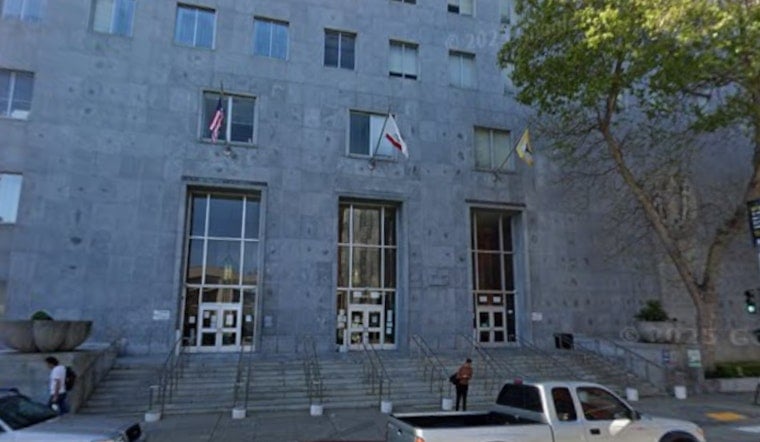
Today, a San Francisco Superior Court judge hit prosecutors with sanctions and blocked them from using key video evidence after the defense said it received hours of footage on the very morning the trial was set to begin. The clash unfolded in Department 503 at the Civic Center Courthouse, where Deputy Public Defender Jared Rudolph told the court that the last-minute data dump kept him from effectively representing his client. Judge Michael I. Begert refused to toss the case but slapped strict limits on how the late videos could be used and gave the defense more time to comb through the files.
Judge Puts Tight Leash On Late Video Evidence
According to the Davis Vanguard, Rudolph said he got an email on the trial morning alerting him to a new discovery, including interviews with the alleged victim and officers’ body-worn camera footage. Prosecutors then handed over a thumb drive stuffed with hours of video. District Attorney Rachael McDaniels told the court the files had been “stored in an unusual location,” the outlet reported, and the office produced the material only hours before trial issues were to be argued. Begert said there was good cause to pause proceedings while the court figured out an appropriate remedy for the late disclosure.
Defense Says Late Evidence Is Not A One-Off
The defense framed the dust-up as part of a recurring pattern of late discovery that has repeatedly kneecapped preparation, citing earlier cases where crucial evidence surfaced months or even years after it should have. The San Francisco Public Defender’s Office recently pointed to a case in which exculpatory DNA results sat undisclosed for more than a year before reaching the defense, as detailed by the San Francisco Public Defender's Office. Rudolph argued that without real consequences, prosecutors will keep dragging their feet on discovery, and clients will keep losing out on fair choices about plea offers and trial strategy.
Sanctions, Strict Rules And A Revived Plea Deal
The Davis Vanguard reports that Begert denied the motion to dismiss but announced sanctions and strict rules on the late-disclosed videos, blocking prosecutors from using the footage during direct examination. The judge then turned to plea talks, asking McDaniels if she would put back on the table an offer the defense had previously rejected. McDaniels initially responded that the office “doesn’t make it a practice to reoffer deals that are turned down,” but after checking with a supervisor, she told the court the deal would be reopened. The case stays alive, but the ruling makes clear the court is willing to hit discovery violations where it hurts: in the evidence the jury sees.
What The Law Says About Discovery
California law and constitutional precedent both require prosecutors to hand over evidence that could help a defendant fight the charges. Penal Code §1054.1 spells out the categories of material prosecutors must produce before trial, while the Brady doctrine adds a separate constitutional duty to disclose materially exculpatory information, even when it is in police files rather than the prosecutor’s own, as explained by the Legal Information Institute. Courts can respond to violations in different ways, from excluding particular evidence to ordering monetary or professional sanctions, although outright dismissal is rare and usually reserved for especially egregious misconduct, as described in FindLaw.
What Comes Next In The Case
Begert granted a brief continuance and told both sides he would consider additional remedies at later hearings, with any formal sanction order potentially subject to appeal. The dust-up spotlights the ongoing friction between the Public Defender’s Office and prosecutors over discovery timelines and transparency, a behind-the-scenes battle that defense lawyers say can reshape plea talks and how a case is tried in open court.





