

























































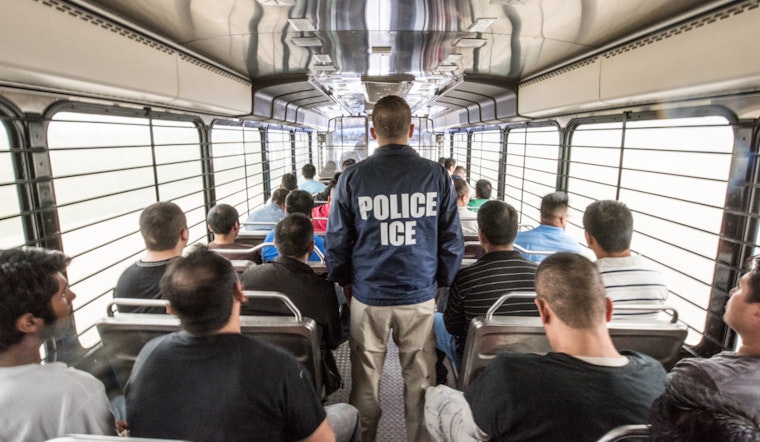
Hundreds of people held in U.S. Immigration and Customs Enforcement custody across at least 33 states say they were denied basic medical care, leaving infections to worsen, cancers untreated and chronic illnesses to spin out of control. In court petitions and sworn declarations, detainees describe missed medications, delayed specialist appointments and urgent needs that went nowhere. Those accounts are now stacked in court dockets and on Capitol Hill at the same time deaths in custody are rising and federal watchdog offices are shrinking.
Investigators found a pattern in court filings
An investigation that reviewed thousands of habeas petitions and court records identified more than 300 specific medical-neglect claims, along with hundreds of additional examples of delayed or denied care. According to AP and KFF Health News, detainees reported going without medications for diabetes, high blood pressure, HIV and other chronic conditions, missing scheduled outside surgeries and waiting weeks for any response to urgent medical requests. Lawyers who brought the cases say these filings offer a rare public view into problems that are usually hidden, since many habeas petitions and medical records never appear on public dockets.
Congressional oversight has tallied hundreds of complaints
Sen. Jon Ossoff’s office has conducted its own nationwide review of complaints and says it has logged more than 1,000 “credible reports” of abuse and neglect, including repeated allegations of medical mistreatment. As detailed by Sen. Jon Ossoff, the reports cover county jails, private contract facilities and short-term processing centers. Members of Congress are using those findings to push the Department of Homeland Security for more inspections and for detailed answers on staffing and medical oversight inside detention sites.
Independent watchdogs have been shuttered
Access to independent complaint channels has grown tighter with the closure of the Office of the Immigration Detention Ombudsman, which had handled outside complaints about conditions in ICE detention. As reported by ABC News, DHS moved in early May to strip the office of its public-facing functions, a move critics say wiped out one of the few internal paths for detainees and families to report abuse. Advocacy groups argue that without that office, real leverage largely rests with judges, congressional investigations and litigation.
Doctors and data show rising risk
Public-health researchers say the surge in complaints lines up with what they are seeing in mortality data. Researchers writing in JAMA have warned that deaths in ICE custody are at their highest level in more than two decades, and the Department of Homeland Security has reported dozens of deaths since January 2025. The AP and KFF investigation was published against that backdrop, with AP reporting that DHS counted 51 people who died in ICE custody since the start of the administration. Medical experts and court records alike point to continuity of care - missed doses, interrupted prescriptions and delayed specialist visits - as central drivers of preventable harm.
Why San Antonio readers should care
The investigation was republished for local readers by MySA, underscoring how national detention and oversight decisions land close to home. The San Antonio region has seen proposals for new processing centers and plans to convert warehouse space into short-term holding facilities. Local advocates warn that fast expansion without independent medical oversight risks compounding the kinds of preventable harm now surfacing in court filings. Families and legal-aid groups advise anyone with a loved one in custody to keep copies of medical requests, share outside medical records and contact an attorney or congressional office quickly when care is delayed.
Legal paths and what to watch next
Attorneys say habeas petitions and emergency court motions are the main tools detainees and advocates are using to force medical attention. Records compiled by volunteer projects such as Habeas Dockets have become important for researchers and reporters trying to measure the scale of the problem. Courts differ widely in how they handle health-based claims: some judges order immediate release or medical evaluations, while others rule that habeas is not the right vehicle to address conditions of confinement. At the same time, lawmakers on key oversight panels continue to press DHS and ICE for details on policies, contracts and medical staffing.
Whether the combined pressure of lawsuits, congressional scrutiny and public reporting will produce broad fixes is still an open question. For now, advocates say the most immediate safeguards are up-to-date outside medical records, rapid involvement of counsel and sustained public attention to how detention facilities deliver - or fail to deliver - basic medical care.




.jpg)