

























































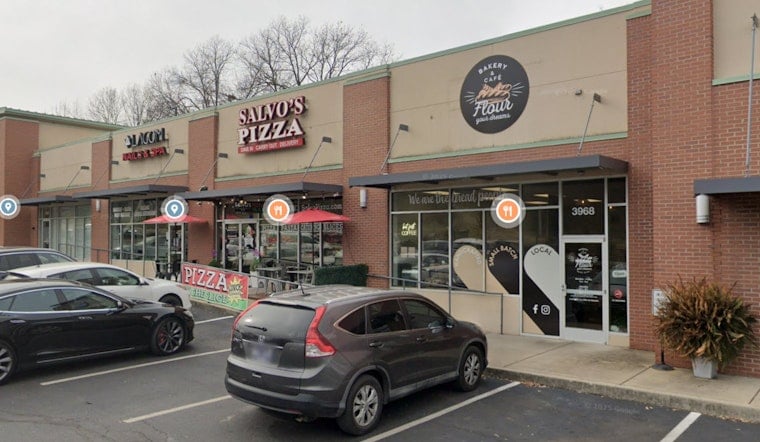
Small business owners across Nashville are suddenly double-checking their sidewalks. After Metro Codes started enforcing updated sign rules, some merchants say they have been ordered to yank their A-frame sandwich boards or face daily fines, cutting off what they see as a cheap, reliable way to grab the attention of people walking or driving by.
In Hermitage, baker Danny Greenberg of Flour Your Dreams says he received a notice from Metro Codes telling him to remove his folding-frame sign or get hit with a $60-per-day fine. He says that after a call to his councilmember, he was later told he could bring the sign back out. That back-and-forth, and the gap between what the rules say on paper and how they are enforced on the street, has left other small operators unsure what is actually allowed, especially in strip-mall and suburban settings, according to reporting from the Nashville Scene.
New Rules And Who Writes Them
The policy shift is split between the city’s zoning code and transportation code. One amendment to Title 17 officially defines a “sandwich board” and sets limits on size, height and accessibility when those signs sit on private property. A separate ordinance in Chapter 13 hands control of sandwich boards in the public right-of-way to the Nashville Department of Transportation.
Under that transportation ordinance, NDOT is instructed to issue nontransferable two-year permits, require a certificate of liability insurance with a minimum of $1 million in coverage, and create fees and placement standards for the signs. Those details are laid out in the legislation posted on Legistar.
Why Shopkeepers Push For Signs
For many small storefronts, those little sidewalk boards are not decorative; they are survival tools. Owners say that if a shop sits back from a main road, tucked behind a parking lot or away from a busy intersection, a sandwich board is often the only thing that tells passing drivers and pedestrians the business exists.
Academic research has found that adding or upgrading on-premise signage can bump a site’s sales by roughly 5 to 15 percent, depending on where the sign sits and how it is designed. Councilmember Jordan Huffman has pitched the sandwich-board effort as a way to help independent businesses actually get seen, and the measures moved through council committees earlier this year. For more on the signage study, see the work published by the Sign Research Foundation.
How To Avoid Fines
For now, merchants who want to put out a sidewalk board are being urged to slow down and read the fine print. Before buying, placing, or painting a board, owners are told to review the city’s permit rules and to contact Metro Codes directly. The city’s sign-permit guidance points applicants to the Codes Department and recommends emailing the Zoning Help Desk at [email protected] with questions before signing a lease or filing permit paperwork.
According to Metro Codes staff, some window advertising and banners now require permits, and permit fees apply. The official process is laid out on the city’s sign-permit page at Nashville.gov.
Legal Takeaways
The NDOT ordinance does more than bless sandwich boards; it also sets up the liability structure around them. Applicants have to sign an indemnity agreement, provide a certificate of insurance naming the metropolitan government as an additional insured, and maintain at least $1 million in liability coverage. If that coverage lapses, permits can be revoked, and NDOT can remove signs from the right-of-way if they are unsafe or blocking access.
All of that means a seemingly harmless chalkboard can create real regulatory and civil exposure if it causes an injury or narrows an accessible path. Operators are advised to keep copies of any permits and insurance documents handy. The exact requirements are spelled out in the ordinance text on Legistar.
Until the dust settles, small businesses that lean heavily on foot traffic may want to hold off on new sandwich boards and other sidewalk signage, double-check whether a permit is required, and document any interactions with Metro Codes or NDOT. The city’s goal is to make sidewalk advertising safer and more consistent, but how aggressively letters and fines are rolled out will decide whether these rules feel like a lifeline for local shops or just one more headache.





