

























































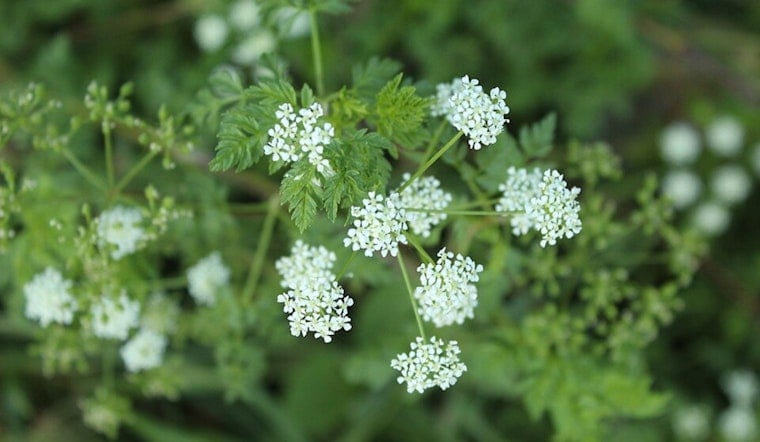
Tall, lacy plants are quietly showing up in Columbus yards and along city right-of-ways, and they are not the kind of volunteers you want in your flower beds. The culprit is poison hemlock, a fast-growing, highly toxic weed that can shower an area with tens of thousands of seeds if it is allowed to bloom and set seed.
According to The Columbus Dispatch, Ohio State University Extension staff are urging homeowners and parks crews to move quickly when they spot poison hemlock in gardens, ditches, or along trail edges. The Ohio State University Extension advises using protective gear and careful disposal for small patches and outlines herbicide strategies for tackling larger stands.
All parts of the plant are poisonous and can trigger respiratory failure and death if swallowed or if the plant's alkaloids get into the eyes or open cuts, according to the Cleveland Clinic. A single mature plant can generate more than 30,000 seeds, so one neglected stalk can quickly turn into a dense, entrenched infestation, per the Wisconsin DNR.
How to spot it
Poison hemlock is easiest to recognize by its smooth, hollow stems, which are often marked with purple blotches, its triangular, fern-like leaves, and its broad, umbrella-shaped clusters of tiny white flowers. Mature plants often reach 6 to 10 feet in height. For photos and detailed identification tips, check the guidance from the Minnesota DNR.
How to remove and dispose
For isolated plants, experts recommend carefully digging out the entire taproot, then placing all plant material in heavy plastic bags for disposal. Do not compost it. The Ohio State University Extension urges gardeners to wear gloves, eye protection, and long sleeves while handling poison hemlock and warns against mowing or chipping mature stems, which can spread dangerous plant material.
Treating larger infestations
When poison hemlock has taken over a larger area, timed herbicide work is often the most practical approach. Foliar contact sprays can help control rosettes, while a cut-and-paint method using concentrated glyphosate or triclopyr on freshly cut stems is an option if foliar treatments fall short. Extension guides emphasize following all label directions and steering clear of herbicide use near water. Oregon State University Extension lays out common chemical and mechanical options for managing poison hemlock in pastures and along roadsides.
After you remove it
Once the plants are out, do not burn them. The smoke can carry toxins. Instead, keep an eye on treated areas for several springs in a row, since seeds in the soil can keep sprouting for years. Reestablishing desirable grasses or wildflowers helps block poison hemlock from moving back in, and multi-year follow-up is standard practice, according to invasive-plant guides from university extensions such as WVU Extension.
If someone ingests any part of the plant or starts showing concerning symptoms, call Poison Help at 1-800-222-1222 or visit Poison.org for immediate guidance.





