

























































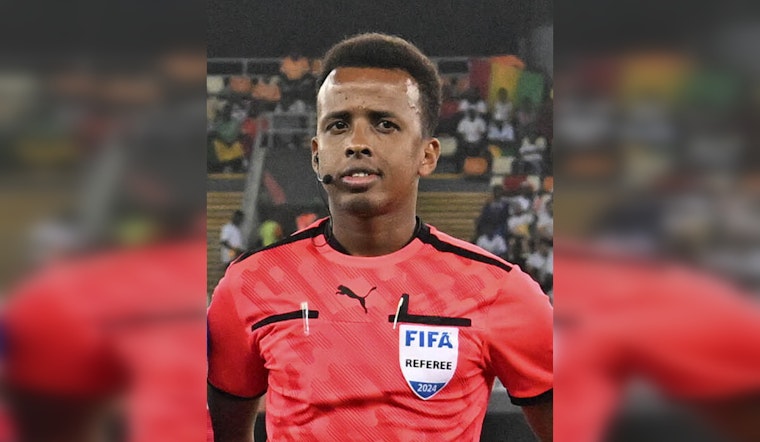
World Cup organizers are scrambling after a Somali referee selected by FIFA to work this month’s tournament was blocked from entering the United States at Miami International Airport and sent back to Turkey over the weekend.
Omar Abdulkadir Artan, 34, had been scheduled to arrive in Miami for pre‑tournament seminars and match preparations after being named to FIFA’s list of World Cup officials. Instead, his trip ended in secondary screening and a quick exit from the country, just days before the tournament kicks off.
CBP account
U.S. Customs and Border Protection said the traveler “underwent additional inspection” and that “following inspection, the traveler, a referee for the FIFA World Cup, was determined to be inadmissible due to vetting concerns,” according to AP. The agency noted that decisions on who can enter are made case by case, drawing on law enforcement, national security and immigration databases available at the time.
Artan's credentials
Media outlets have identified the referee as Omar Abdulkadir Artan, a FIFA‑listed official since 2018 who was named the Confederation of African Football’s 2025 men’s referee of the year and was set to become the first Somali to officiate at a World Cup finals, according to BBC Sport. His rapid rise has been widely celebrated across the continent and within Somalia’s football community.
Somalia says he had a valid visa
Somali sports officials told international media that Artan held a valid U.S. visa but was still refused entry and placed on a return flight to Turkey, a detail reported by the Miami Herald. Somali advisers criticized the decision as unfair and said they expect FIFA to ask U.S. authorities for an explanation.
Travel warnings and wider visa problems
Concerns about World Cup travelers getting tripped up at the border were already on the radar. More than 120 civil‑society organizations issued a joint travel advisory warning that noncitizen fans, including those with visas in hand, could face detention or deportation at U.S. ports of entry, according to the ACLU. Artan’s case lands on top of other high‑profile entry snags and visa delays that have hit teams, journalists and supporters, a pattern covered by outlets including BBC Sport.
Legal context
CBP’s response underlines a point many travelers only learn the hard way: a visa lets you travel to the border, not necessarily through it. Officers have broad authority to question people arriving in the United States and decide whether they are admissible, as AP reports. Those found inadmissible are typically sent back to their last port of departure and can only challenge or revisit the decision through consular or legal channels from outside the country.
What this means for Miami
The episode throws an unwelcome spotlight on Miami just as it gears up for its first World Cup match on June 15 and as the tournament opens June 11, according to local reporting and tournament schedules. Early games in South Florida are scheduled for Hard Rock Stadium, and organizers will be watching closely for any repeat immigration headaches that might sideline more referees, disrupt media coverage or derail visiting supporters, according to the Miami Herald.





.jpg)