

























































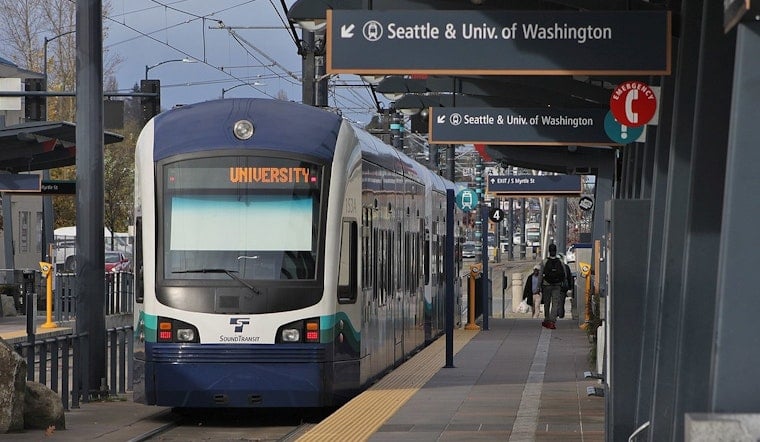
Sound Transit is gearing up for a fare enforcement shakeup. Agency staff are recommending a pilot project to install fare gates at up to 14 Link light rail stations, zeroing in on the busiest stops through central Seattle and several big regional hubs. Internal modeling pegs the price tag at roughly $79.3 million to $88.2 million, with the system expected to pay for itself in about two to five years. After that, planners say the gates could generate more than $30 million in net fare revenue every year. If the board signs off later in 2026, construction money would be folded into the 2027 budget and gates could start operating sometime between 2029 and 2030.
Staff Recommendation and the Early List
To keep things relatively simple, the recommended pilot zeroes in on stations with high ridership and relatively straightforward retrofit needs, so results show up quickly. As reported by The Urbanist, the staff memo given to board members outlines an initial 14-station footprint that ropes in every stop between Northgate and the Chinatown–International District, plus several major termini beyond downtown.
Costs, Payback and the Compliance Gap
In a recent staff briefing, Sound Transit estimated pilot construction costs at about $79.3 million to $88.2 million and projected a payback window of two to five years before the modeled $30 million-plus in annual net revenue would start flowing. The same presentation also highlighted a growing fare compliance problem, with payment estimated at roughly 63% in 2025 compared with about 85% before the pandemic. Officials pointed to that shortfall as a key motivation for the proposal, according to Sound Transit.
Which Stations Made the Cut, and Which Did Not
The staff shortlist leans heavily on the core Seattle spine and a few high-traffic outliers. The presentation and subsequent reporting describe a continuous gated stretch from Northgate through Chinatown–International District, with Lynnwood City Center, Sea-Tac Airport, Federal Way, downtown Bellevue and Redmond also in the initial lineup. Staff are intentionally steering clear of some event-focused and at-grade stations. Sound Transit design director Gavin Schaefer told board members that Stadium Station’s at-grade setup and crush loads during big events make it a particularly tough and costly retrofit, as reported by The Urbanist.
How Gates Would Work for Riders and Staff
The study calls for bidirectional fare gates that require riders to tap in and tap out at gated stations. That setup complicates life for old-school paper tickets, which would need an upgrade, with options like QR-code tickets on the table. Ticket vending machines would also need tweaks so they can dispense disposable smart media. The briefing notes that youth using the statewide Youth Ride Free program would need a youth ORCA card at gated stations instead of relying on informal verification. Fare ambassadors assigned to those locations would be shifted toward passenger assistance, social service referrals and accessibility help, rather than performing traditional fare enforcement roles, according to Sound Transit.
What Peer Systems Show
To make the case that this is not uncharted territory, staff pointed to other transit systems that have already gone through similar upgrades. BART reports that its fare gate retrofit corresponds with roughly a 41% drop in systemwide crime and fewer corrective maintenance hours, and reporting has noted about $10 million a year in additional revenue associated with the gates. Both BART and coverage in the San Francisco Chronicle were cited as reference points when Sound Transit staff modeled possible side benefits.
Next Steps and What to Watch
For now, staff are asking the board to consider authorizing a pilot later this year so design work and procurement can be slotted into the 2027 budget and a formal RFP can go out. If the plan moves ahead, the timeline for manufacturing, delivery and installation would likely put the gates into revenue service sometime in the 2029 to 2030 window. Before any of that hardware shows up on platforms, the proposal still has to navigate board committees, an equity review and a public engagement process, with community mitigation and fare media upgrades already flagged as priorities, according to reporting by Seattle Transit Blog.



.jpg)