

























































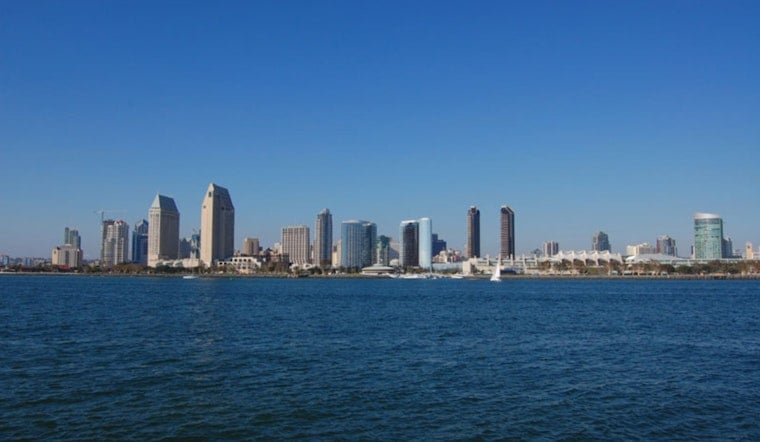
San Diego woke up to cloudy, mild weather today, with temperatures in the mid 60s and an afternoon high near 73°F on tap. Nice enough for a walk, sure, but the real story is in the water: a strong south swell is cranking up the surf and creating a dangerous rip current setup at many local beaches through Thursday.
Clouds Break This Afternoon, Highs Near 73
A persistent marine layer will keep the coast and western valleys on the cool side through the morning, then gradually break up into mostly sunny skies later in the day. Highs are expected to land close to 73°F, with light west to southwest winds around 0 to 10 mph. Skies fill back in tonight, with mostly cloudy conditions and lows near 63°F, according to the National Weather Service.
Beach Hazards Statement Urges Swimmers To Back Off
The National Weather Service has issued a Beach Hazards Statement for San Diego County coastal areas through Thursday afternoon. A south swell from 190° with a period of 18 to 20 seconds is expected to produce surf of 4 to 7 feet, with occasional sets reaching 8 feet and a high rip current risk.
The NWS San Diego is blunt: "Remain out of the water to avoid hazardous swimming conditions." Forecasters add that the highest surf will pound south-facing beaches, with the most dangerous conditions expected on Tuesday and Wednesday.
Headed To The Shore? Think Safety First
Lifeguards are asking beachgoers to stay off jetties, swim only near an attended tower, and obey posted flags, even if the water looks inviting. If you are caught in a rip current, they advise remaining calm, calling for help, and swimming parallel to the shore until you are out of the current. For daily flag status and beach-specific guidance, check with the San Diego Lifeguard Service before you head out.
Choppy Seas For Boaters And Coastal Drivers
Nearshore waters will be on the choppy side, and longshore currents will run stronger than usual, which can turn entries and exits into a wrestling match even when individual waves do not look that big. Anyone planning to use small boats or paddlecraft, or driving along the coast to access the beach, should allow extra time and give the surf zone a wide berth until conditions ease later in the week.





